Why Holiday Traditions Matter for Kids
Holidays come and go, but the traditions we build with our children have a lasting imprint. Crafting, decorating, baking together these moments aren’t just fun they’re foundational to a child’s sense of belonging and joy.
The Magic of Consistency
Repetition is powerful. When children know a specific activity or tradition is coming each year, it builds:
Anticipation Kids love knowing what’s around the corner
Stability Familiar traditions provide comfort and structure
Memory anchors Consistent rituals become lasting mental snapshots of childhood
Whether it’s making the same paper snowflakes every winter or setting up a cookie decorating day each December, these ritual markers help create a magical rhythm kids can depend on.
The Power of Hands On Bonding
Beyond the outcome whether it’s a pinecone turkey or a glittery card what truly matters is the connection formed in the process.
Crafting together encourages conversation and laughter
Working side by side teaches collaboration and patience
Physical interaction (cutting, pasting, painting) builds confidence and fine motor skills
The result? Stronger emotional bonds between caregivers and children. These shared activities become treasured moments of closeness.
Why Rituals Fuel Childhood Joy
Kids don’t just enjoy routines they thrive in them. Holiday traditions function like emotional scaffolding:
They reinforce identity: “This is what our family does.”
They create storylines: Kids recall holidays in terms of yearly traditions.
They build anticipation and spark imagination: Children will reference them year round.
Even small acts like lighting a candle together before dinner during a holiday week or sharing one thing they’re thankful for can become those deeply rooted, joy bringing rituals your kids one day pass on.
The bottom line? Family holiday traditions don’t need to be elaborate. Repeating meaningful, hands on activities each year goes a long way in creating memories that last a lifetime.
Easy Craft Ideas That Actually Last
Low mess doesn’t have to mean low impact. The key is choosing crafts that hit the sweet spot between simple and meaningful. Think DIY ornament kits with pre cut shapes and peel and stick pieces little hands can manage them without the glitter explosion. Or try recycle bin projects like greeting card mobiles. Old cards become bright decorations with just a bit of string and a hole punch.
Handprint keepsakes are another go to. They’re silly, sweet, and pack major nostalgia. Use air dry clay, washable paint, or even construction paper to create pieces you’ll want to hang onto year after year.
To keep things from devolving into chaos, think ahead. Set up clear bins with grouped supplies by age or craft type. Go heavy on washable markers, glue sticks instead of liquid glue, and table coverings that don’t make you flinch at spills. Keep it light, keep it organized, and focus on fun not perfection.
Winter
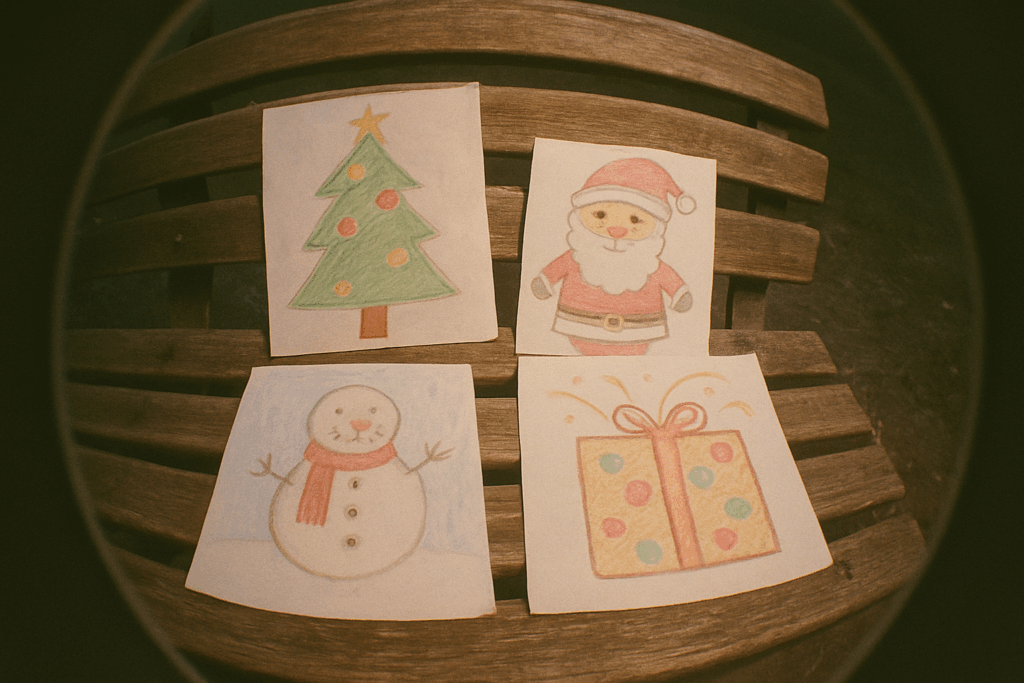
Winter crafts are all about simple materials and warm memories. Salt dough ornaments are a classic for a reason mix flour, salt, and water, then let kids shape, stamp, and paint. They dry hard and last for years. Paper snowflakes are low mess and perfect for cutting practice (bonus: tape them to windows for instant winter vibes). And if you’re ready to lean into holiday anticipation, DIY advent calendars give kids a hands on way to count down the days. Fill each pocket or envelope with tiny treats or tasks like reading a book together or making hot cocoa. Winter crafting doesn’t need to be complicated; it’s the ritual that counts.
Make Crafts Part of Your Family Traditions

There’s something grounding about doing the same simple thing every year. Pick a “signature” craft for each holiday something your kids can look forward to. Maybe it’s a handprint turkey in November or a snowflake garland you all build together in December. The familiarity becomes part of the celebration. Keep it low pressure. The goal isn’t perfection, it’s presence.
To make these moments last beyond the cluttered dining table, start a craft keepsake box. One for each kid. Toss in dated crafts, short notes about how they made it, or even a photo of them mid glue stick. Over time, it turns into more than a box it’s a physical record of how their creativity (and fine motor skills) evolved.
Want to bring distant family into the mix? Set up a recurring video craft session. Grandparents might not be nearby, but they can still cut construction paper hearts or fold origami reindeer in real time with the kids. It’s messy, sweet, and way more meaningful than another quick FaceTime check in.
Balancing Fun and Flexibility
Finding that sweet spot between meaningful traditions and creative freedom can make holiday crafting more enjoyable for everyone. Rather than aiming for picture perfect projects, focus on the moments that matter most: laughter, exploration, and shared memories.
Let Go of the Perfection Myth
It’s easy to fall into the trap of Pinterest level expectations. But perfectly symmetrical wreaths or flawlessly painted snowmen aren’t what your kids will remember or what matters most.
Prioritize authenticity over aesthetics
Embrace the handmade charm of kid created crafts
Avoid comparing your family’s creations to curated online content
Keep Crafts Optional But Inviting
Not every child is going to jump at the chance to sit down for 30 minutes of coloring or gluing. That’s okay. The key is to make crafting feel like an open invitation, not a chore.
Set up a small, easily accessible “craft corner” with supplies
Offer suggestions, but don’t push participation
Rotate simple ideas to keep interest fresh
Build Space for Spontaneous Creativity
Traditions don’t have to be rigid. In fact, leaving room for spur of the moment fun can lead to the most meaningful memories.
Start with a flexible base (like a recycled ornament) and let kids take the lead
Allow space for random craft sessions that may not tie directly to a holiday theme
Make room in your plans for last minute inspiration or creative detours
Crafting with kids during the holidays isn’t just about the end result it’s about the experience. Whether you stick to a tradition or let your kids carve out something new, the goal is to foster connection, not perfection.
Bringing in Rainy Day Inspiration
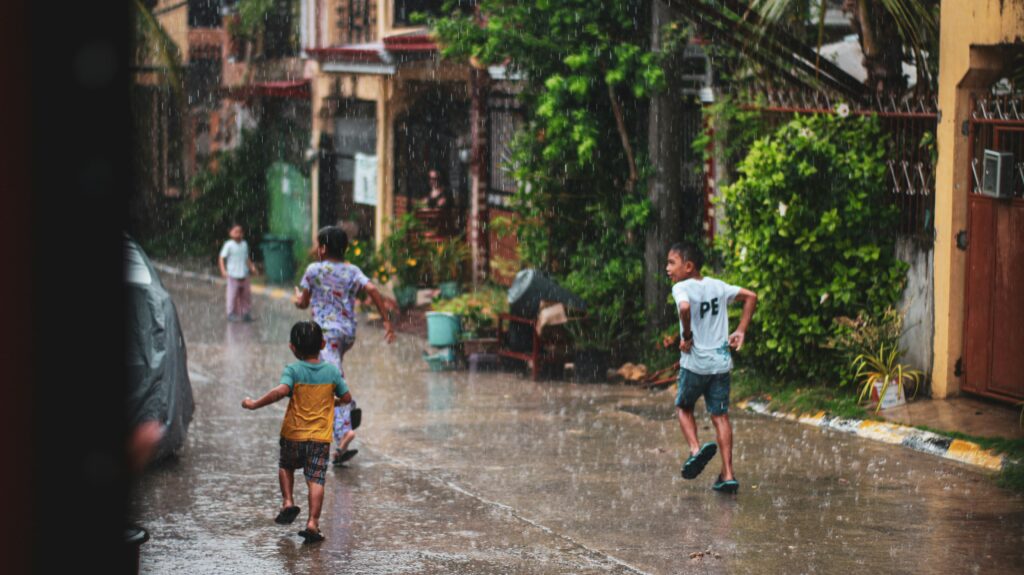
Not every memorable moment needs to revolve around a holiday. When the skies are gray and the holiday decor is packed away, it’s a great opportunity to tap into creative energy with rainy day crafts and activities.
Why Break the Routine?
While holiday crafts bring a special kind of magic, mixing in everyday creativity helps kids:
Stay engaged year round
Develop problem solving and creative thinking skills
Enjoy indoor time without relying on screens
Easy, Fun Rainy Day Ideas
Need a burst of inspiration when the weather keeps you indoors? Here are a few out of the box ideas:
Indoor obstacle courses using cushions and furniture
DIY puppet shows with sock puppets or paper bags
Kitchen science experiments with pantry basics like vinegar and baking soda
Themed drawing challenges (e.g., “draw your dream treehouse”)
Bonus Resource: More Creative Fun
For even more family approved fun, don’t miss 15 Creative Rainy Day Activities the Whole Family Will Love. This roundup includes simple, screen free ideas designed to keep kids entertained and parents sane during less than sunny days.
Think of these moments as chances to build everyday traditions between the big holidays.
Final Tips for 2026 and Beyond
Take a quick photo of each finished craft nothing fancy, just clear enough to remember the moment. Add a scribbled note with the year, your kid’s age, or something they said while making it. Over time, these tiny details become a living scrapbook. Proof it happened. Proof you showed up.
Stick with a loose tradition. Maybe it’s handmade ornaments in December or painted pumpkins in October. Do it each year, even if it’s just a quick version. But give yourself freedom to evolve. As your kids age, what counts as “craft” will change. Let it.
And don’t fall into the trap of comparison. This isn’t about glossy Pinterest timelines or going viral. It’s about being in the same room, making something with your hands, and laughing at the glitter spill. That connection? That’s what they’ll remember.