
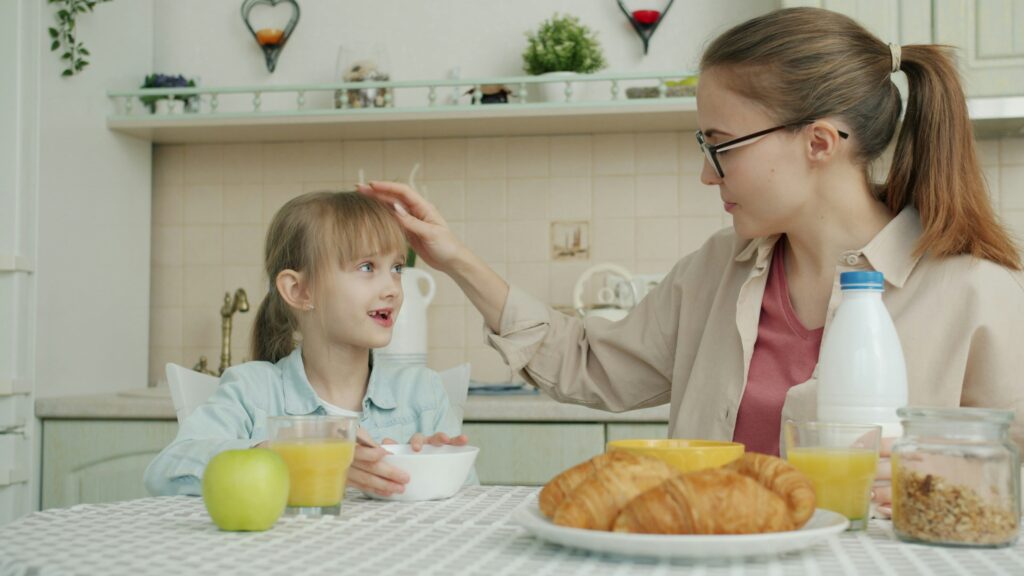
Why Nutrition Is More Than Just Fuel
Early motherhood burns through energy like wildfire. The physical recovery alone whether from childbirth or sleepless nights is a full time demand on the body. Add to that the emotional load and the relentless pace of daily caregiving, and suddenly nutrition isn’t just about having enough to eat. It’s about making every bite count.
Nutrient dense foods aren’t optional here. They’re the foundation for healing and staying upright. Think whole grains, leafy greens, eggs, nuts, wild salmon, and legumes. Not trendy or flashy just solid, proven staples that deliver.
And despite how important food is during this time, many moms fall short on key nutrients. Iron, especially if you’ve lost blood during delivery. Calcium, which keeps getting diverted to baby if you’re breastfeeding. B12, an unsung hero for energy and brain function. And omega 3s critical for mood stability and inflammation control.
Bottom line: early motherhood isn’t the time for hollow calories. It’s time to refuel with purpose, because doing your best starts with feeling your best.
How Nutrition Impacts Moods, Hormones, and Sleep
Food isn’t just fuel it’s chemistry. What you eat sets off a chain reaction that affects the way you feel, how you think, and how well you sleep. For moms in the thick of early parenthood, this matters more than ever. Moods that swing wildly, sudden crashes mid morning, trouble falling asleep even the fog that makes you forget your own phone number can all trace back to what’s on your plate (or what’s missing).
Blood sugar stability is the first place to look. Simple carbs and sugary snacks lead to fast spikes and equally fast crashes, setting you up for irritability, anxiety, and an energy nosedive that hits just when the baby needs you most. A more stable approach proteins, healthy fats, and fiber packed foods helps you stretch energy further and keep moods on a more even keel.
There’s also gut health, which is finally getting the attention it deserves. A balanced microbiome supports better sleep, calmer moods, and sharper focus. Fermented foods, leafy greens, and less ultra processed junk help maintain the good bacteria that make this system tick.
Bottom line? Your food choices shape your day more than you think. Steady blood sugar, a well fed gut, and real nutrients mean better sleep, clearer thoughts, and a much smoother ride through the highs and lows of mom life.
Eating Well When Time Is Not on Your Side
Mornings with little ones are rarely serene. You’re lucky if you finish a cup of coffee, let alone cook a balanced breakfast. The key is prep, not perfection.
Start with quick meal prep moves like overnight oats or pre portioned smoothie bags you can toss in the blender while buckling a car seat. Scrambled eggs can be made in batches and kept in the fridge for reheating. Add a slice of avocado or a sprinkle of hemp seeds, and you’ve got real fuel, fast.
For snacks on the go, shelf stable wins the day. Think almond butter packs, dried fruit with no added sugar, roasted chickpeas, or whole grain nut bars. Tested by moms, these stash and dash options won’t leak, melt, or crumble into toddler car seat confetti.
Then there’s batch cooking the quiet superhero of nutritional sanity. On a Sunday evening, make double or triple portions of basics like quinoa, grilled chicken, steamed veggies, or lentil stew. Freeze in labeled portions, and suddenly Wednesday night doesn’t mean cereal for dinner. You’re just reheating something real.
You don’t need to master meal prep YouTube. Just build a rough system that fits your week. Five minutes here, a freezer container there it adds up.
Kid Friendly Foods That Work for You Too
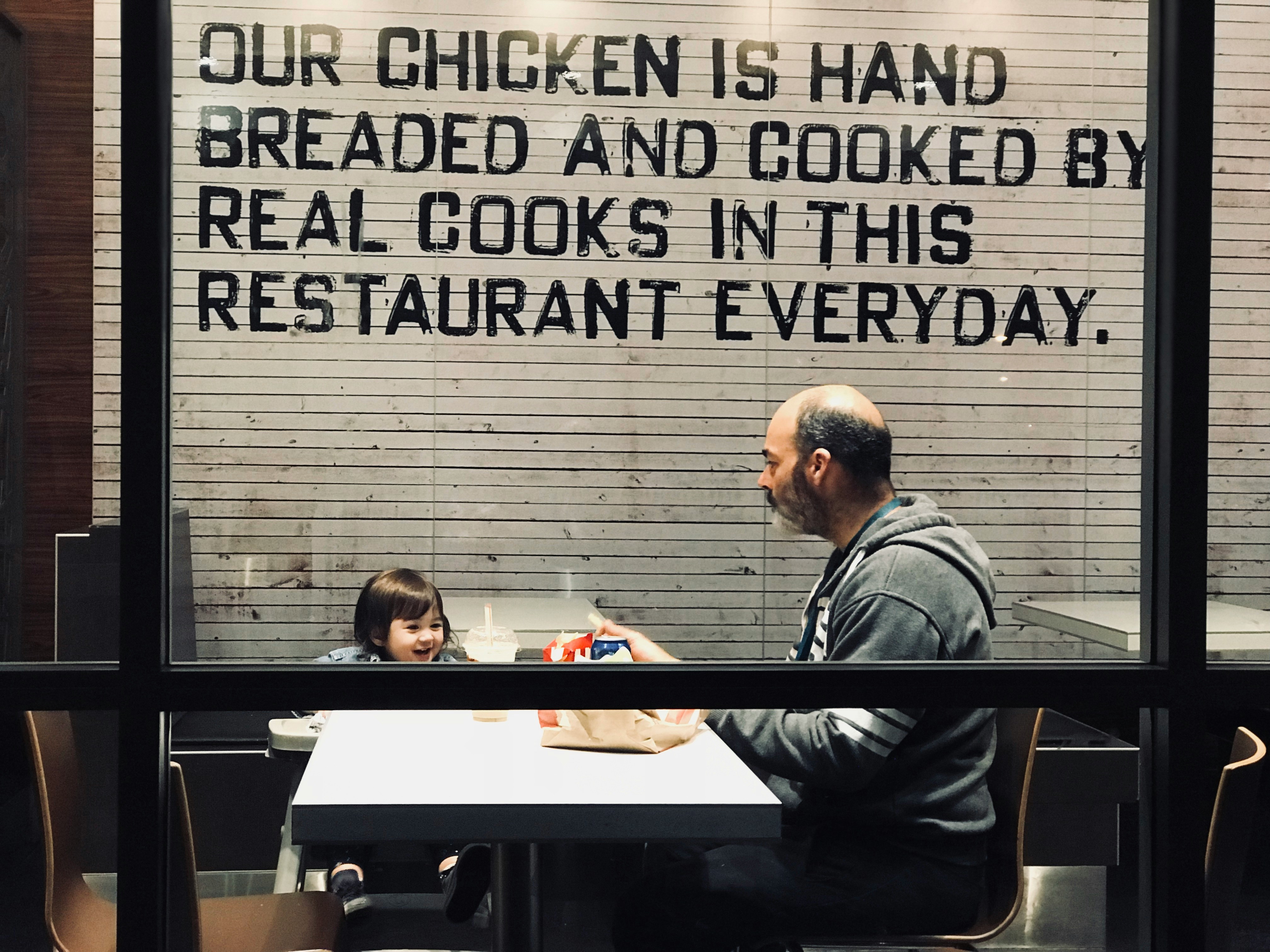
Feeding a toddler is tough. Feeding yourself at the same time? That feels impossible some days. The trick isn’t making totally separate meals it’s finding a middle ground that works for both of you. Think less about “kid food” and more about whole ingredients that show up in simple ways. A smoothie with spinach, banana, and peanut butter. Scrambled eggs with avocado on the side. Sweet potato fries with a side of hummus. These are quick, satisfying, and low fuss.
Establishing a shared mealtime rhythm helps, too. Eat together, even if the food isn’t exactly the same. When toddlers see you eating what they’re eating (or a version of it), they’re more open to trying new things. That consistency builds trust and starts to make healthy eating feel normal instead of forced.
And remember, it’s not about perfection. If dinner is rotisserie chicken, frozen peas, and some rice you microwaved during nap time, that counts. You’re choosing whole foods over processed shortcuts, and that’s a win. Drop the idea that mealtime has to be a battle. Keep it simple, repeat what works, and aim for better not perfect.
The Truth About Supplements
Let’s be clear: food should always come first. Real meals made with whole ingredients give your body far more than any capsule can. But there are moments when a multivitamin makes sense especially in the chaos of early motherhood. If you’re skipping meals, running on toast crusts and cold coffee, or just too wiped to cook, a high quality multivitamin can help fill the nutritional gaps.
The tricky part is choosing the right one. In 2026, the market is flooded with overly hyped labels and influencer backed endorsements. Skip those. Look for supplements that are third party tested for purity and potency. Read ingredient lists. Avoid mega doses. Stick to brands that back their claims with research, not buzzwords. And if your OB or pediatrician recommends something specific like extra iron or vitamin D it’s worth listening.
Even with the best supplements, food does the heavy lifting. Prioritize real meals when you can. Use supplements as a safety net, not a substitute. Because nutrition isn’t just fuel it’s the foundation you’re building your energy, mood, and recovery on.
Pairing Nutrition with Movement
When you’re running on minimal sleep and chasing a toddler by 7 a.m., exercise might not feel like a priority but fueling your body right can make short bursts of movement work harder for you. A banana with a spoonful of peanut butter. Some Greek yogurt and berries. Even a protein bar that isn’t packed with sugar. You don’t need a full meal just a combo of carbs and protein to keep your energy steady.
Smart eating before and after light movement whether it’s a 10 minute yoga flow, a stroller walk, or squats between laundry loads helps recovery and keeps your metabolism on track. It’s not about perfection. It’s about momentum. Activity feeds appetite, and better eating makes movement easier. Round and round in the right direction.
Don’t overthink it. Just move and fuel. Need some inspiration? Try these quick workouts moms can do at home with kids around.
Small Steps That Make a Big Difference
You don’t need a total overhaul to start feeling better. Begin with one small, sustainable change like swapping your usual lunch for a power plate: lean protein, colorful veg, and a complex carb. It’s less about perfection and more about building momentum. Once that plate becomes your norm, the next step feels easier.
Now let’s talk hydration. Water’s a baseline, but boosting it with a pinch of sea salt or a splash of citrus can improve absorption and keep energy steadier. Herbal teas, coconut water, and broths count too. Keep a bottle within reach, and sip like it’s part of your strategy because it is.
And remember, food isn’t just fuel it’s care. Every snack, every meal is a quiet message to yourself and your kids: I’m worth showing up for. Choose meals that feed both your body and your confidence. One bite at a time.