I’ve stood in airport security with a toddler melting down and a backpack full of snacks I swore would help.
You want adventure. Not chaos disguised as vacation.
But most family travel advice feels like it was written by someone who’s never changed a diaper on a moving train.
I tried the “just go with the flow” thing. It failed. Hard.
Then I tried overplanning. That failed too (turns) out kids don’t care about your color-coded itinerary.
What works isn’t magic. It’s real. Tested.
Repeated.
I’ve done this with three kids, across six countries, and more than a few near-meltdowns (mine, not theirs).
This isn’t theory. It’s what actually sticks when you’re tired, hungry, and trying to keep everyone alive.
You’ll learn how to plan Family Traveling Nitkatraveling that feels thrilling (not) exhausting.
No fluff. No guilt. Just steps that work.
What “Adventure” Really Means When You Have Kids
It’s not about summiting Everest with a toddler strapped to your chest. (Though I respect the commitment.)
Adventure is noticing how your kid stares at a crack in the sidewalk like it’s a portal. It’s pausing mid-walk because a ladybug landed on their nose. It’s choosing curiosity over convenience.
I stopped waiting for “real” adventure the day my three-year-old spent 47 minutes watching ants carry crumbs across a picnic table. That was adventure. Unplanned.
Unhurried. Fully theirs.
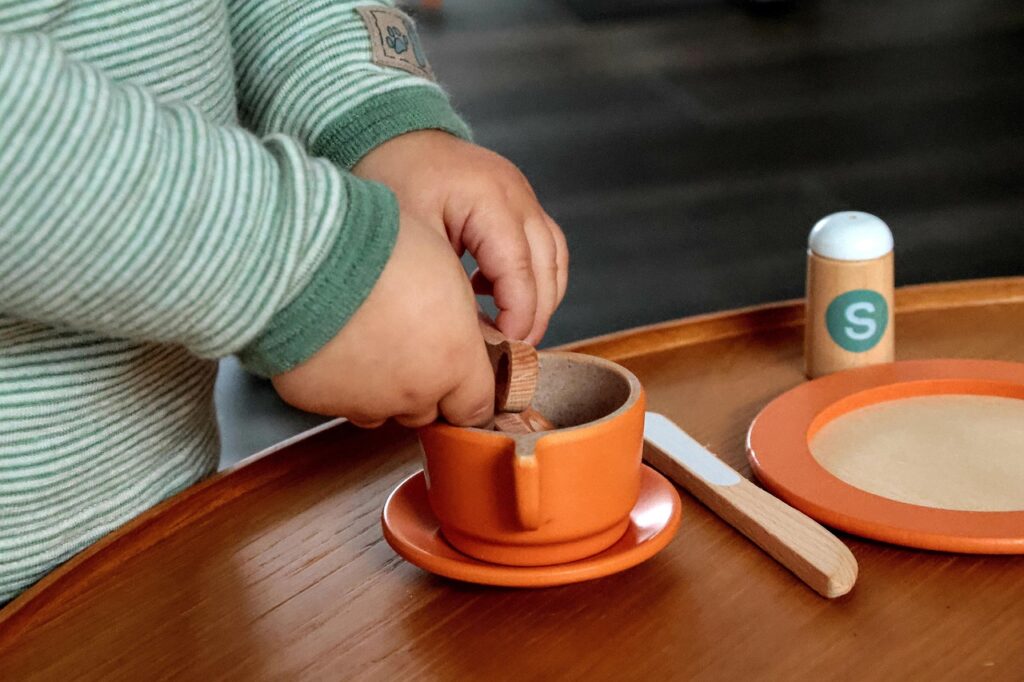
For toddlers (1 (4),) adventure means sensory discovery. A botanical garden isn’t just plants (it’s) a jungle expedition with leaf rubbings and bark texture charts. A beach isn’t sand (it’s) a dinosaur dig site where every shell is fossil evidence.
Keep it slow. Let them touch, smell, drop things in puddles.
Or find a safe, shallow cave entrance and let them decide when to turn back. Their call.
Kids aged 5. 9? Give them agency. Hand them a printed trail map on a local hike and say, “You’re navigating.” Try geocaching (it’s) basically Pokémon Go but with real trees and zero battery anxiety.
Tweens and teens (10+) need real stakes. Not danger (responsibility.) An overnight camping trip where they build the fire. A paddleboard lesson where they steer.
Or better yet: drop them off at a subway station with $5, a map, and instructions to meet you at the museum in 90 minutes. Yes, it’s nerve-wracking. Yes, they’ll figure it out.
The goal isn’t exhaustion. It’s shared presence. It’s seeing your kid solve something small (and) realizing you didn’t have to fix it for them.
That’s what Family Traveling Nitkatraveling actually looks like. Not perfect photos. Not flawless logistics.
Just real moments strung together.
If you want low-stress, high-connection ideas that skip the checklist chaos, check out Nitkatraveling.
Some days, adventure is just letting your kid choose which way to walk home. And sticking with it.
The Smart Parent’s Trip Plan: Less Stress, More Real Life
I used to think packing was the hard part. Turns out? It’s planning that breaks you.
Forget “book early.” That’s noise.
What actually stops meltdowns is One Big Thing.
Pick one major activity per day. Just one. Not two.
Not three. One. The rest?
Wide open. For naps. For detours.
For staring at ducks for 22 minutes.
You’ll feel it in your shoulders. Lighter.
Kids aren’t passengers. They’re co-pilots. Give them real choices: “Do we hike the blue trail or the red one?” or “Which snack goes in the Go-Bag.
Pretzels or crackers?”
They’ll own it. You’ll get fewer “I’m bored” complaints before lunch.
Your Go-Bag isn’t a junk drawer. It’s snacks (duh), a tiny first-aid kit (bandaids + antiseptic wipes), a portable charger (not just for you), one surprise item (a mini deck of cards, a squishy toy), and wet wipes. Always wet wipes.
Yes, even if you’re just walking to the park.
Test everything first. Do a local hike. A museum trip.
A train ride downtown. See if the stroller wheels squeak. See if the backpack fits your back.
See if your kid lasts 45 minutes without needing a full lie-down. That’s your dry run. Skip it, and you’re gambling with patience.
Family Traveling Nitkatraveling isn’t about perfection.
It’s about building rhythm. Not rigid schedules.
I’ve done the overpacked, overscheduled, “let’s hit all five attractions” day. It ends in tears. Usually mine.
This guide covers the real stuff. The stuff no travel blog tells you because it’s not glamorous.
read more
Pro tip: Pack the Go-Bag the night before the trip. Not the morning of.
Your future self will hug you.
Family Trips: Real Talk, Not Brochures
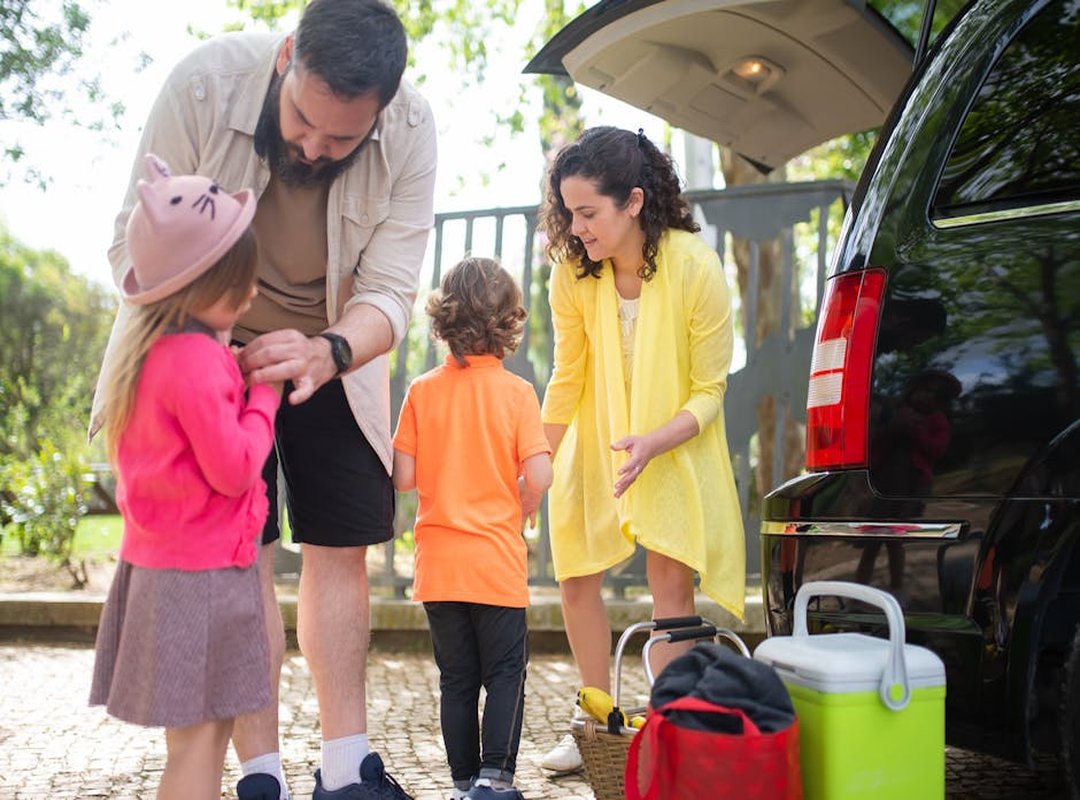
I’ve taken my kids from Portland to Pensacola. Twice. In one car.
With a broken AC.
Family Traveling Nitkatraveling isn’t a brand. It’s what happens when you say “let’s go” and then remember someone still hasn’t packed socks.
You don’t need more apps. You need fewer meltdowns at 3 a.m. in a Motel 6 parking lot.
I skip the “top 10 destinations” lists. They’re useless if your kid throws up on a plane or your toddler decides the TSA line is nap time.
Here’s what actually works:
- Book flights for your kid’s sleep schedule (not) the cheapest fare. – Pack snacks like they’re oxygen. (They are.)
I once let my son pick our hotel pool. He chose based on whether the slide looked “fast enough.” We got a $189/night room with zero Wi-Fi but a slide that made him forget he’d cried for 45 minutes over a missing stuffed octopus.
That’s the win.
You think you’re planning a trip. You’re really planning for chaos. With snacks.
Don’t wait for perfect weather or perfect timing. My best family trip was during a thunderstorm in Asheville. The museum was closed.
We ate grilled cheese in a bookstore café and watched rain hit the windows for two hours. No photos. No itinerary.
Just us.
You want real advice? Stop optimizing for Instagram. Start optimizing for sanity.
Pack a small notebook. Jot down what worked. And what sent everyone into orbit.
Bring earplugs. For you. Not the kids.
Next time, you’ll know which hotel has quiet rooms (not just “family-friendly” ones) and which rental car desk actually lets you swap out the car seat without paperwork.
I’ve learned the hard way that “kid-friendly” often means “designed for toddlers, not preteens who hate everything.”
So I keep it simple:
Sleep first. Snacks second. Everything else is negotiable.
If you want the exact list of what to pack for a 5-day road trip with two kids under 8. No fluff, no “just add joy” (go) read the Family Trips Advice Nitkatraveling page. It’s the only thing I’ve ever linked twice.
Family Trips Advice Nitkatraveling
You’re Done Packing the Chaos
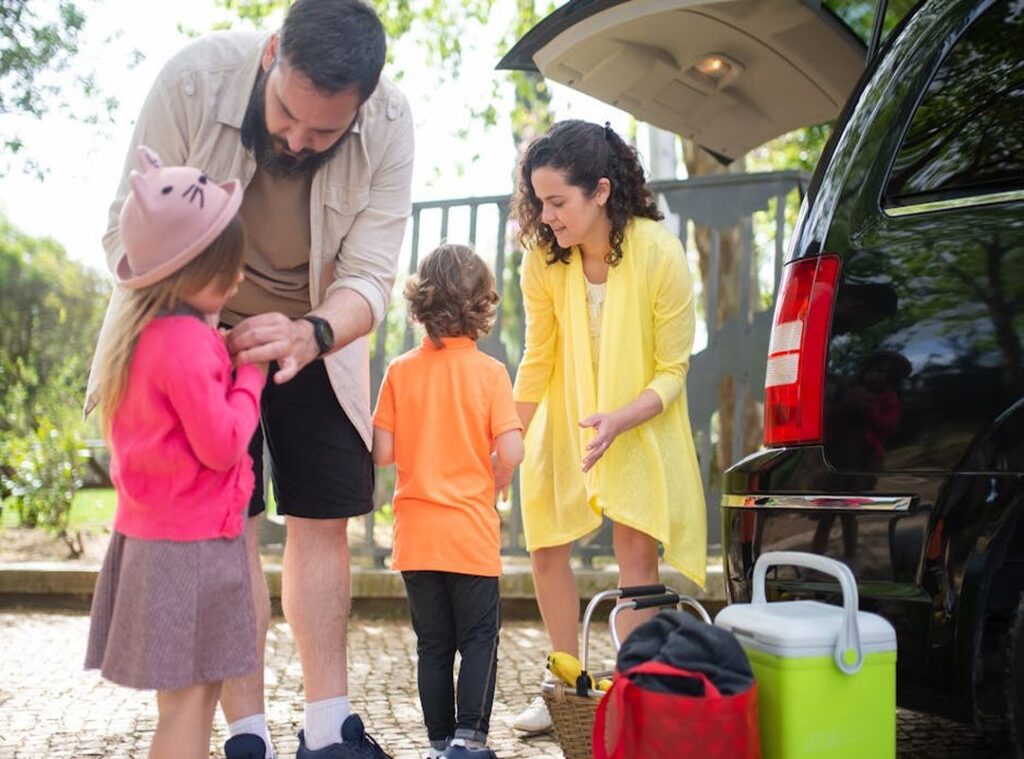
I’ve been there. Minivan packed. Kids arguing over seatback screens.
Snacks everywhere.
You want Family Traveling Nitkatraveling to feel smooth. Not like herding squirrels through TSA.
It’s not about more checklists. It’s about fewer meltdowns. Less “Are we there yet?” at mile 47.
You didn’t sign up for stress. You signed up for memories.
So stop scrolling for hacks that don’t work. Stop trusting blogs written by people who’ve never traveled with a toddler and a car seat.
This works because it’s built on real trips (not) theory.
Your pain point? Wasting time planning instead of enjoying the ride.
Fix it now.
Go to Nitkatraveling.com and grab the free itinerary builder.
It’s the #1 rated tool for families who refuse to choose between sanity and vacation.
Do it before you book your next hotel.
 Corey Valloconeza has opinions about educational resources for kids. Informed ones, backed by real experience — but opinions nonetheless, and they doesn't try to disguise them as neutral observation. They thinks a lot of what gets written about Educational Resources for Kids, Support and Community Resources, Parenting Tips and Advice is either too cautious to be useful or too confident to be credible, and they's work tends to sit deliberately in the space between those two failure modes.
Reading Corey's pieces, you get the sense of someone who has thought about this stuff seriously and arrived at actual conclusions — not just collected a range of perspectives and declined to pick one. That can be uncomfortable when they lands on something you disagree with. It's also why the writing is worth engaging with. Corey isn't interested in telling people what they want to hear. They is interested in telling them what they actually thinks, with enough reasoning behind it that you can push back if you want to. That kind of intellectual honesty is rarer than it should be.
What Corey is best at is the moment when a familiar topic reveals something unexpected — when the conventional wisdom turns out to be slightly off, or when a small shift in framing changes everything. They finds those moments consistently, which is why they's work tends to generate real discussion rather than just passive agreement.
Corey Valloconeza has opinions about educational resources for kids. Informed ones, backed by real experience — but opinions nonetheless, and they doesn't try to disguise them as neutral observation. They thinks a lot of what gets written about Educational Resources for Kids, Support and Community Resources, Parenting Tips and Advice is either too cautious to be useful or too confident to be credible, and they's work tends to sit deliberately in the space between those two failure modes.
Reading Corey's pieces, you get the sense of someone who has thought about this stuff seriously and arrived at actual conclusions — not just collected a range of perspectives and declined to pick one. That can be uncomfortable when they lands on something you disagree with. It's also why the writing is worth engaging with. Corey isn't interested in telling people what they want to hear. They is interested in telling them what they actually thinks, with enough reasoning behind it that you can push back if you want to. That kind of intellectual honesty is rarer than it should be.
What Corey is best at is the moment when a familiar topic reveals something unexpected — when the conventional wisdom turns out to be slightly off, or when a small shift in framing changes everything. They finds those moments consistently, which is why they's work tends to generate real discussion rather than just passive agreement.