Understanding the Core Difference
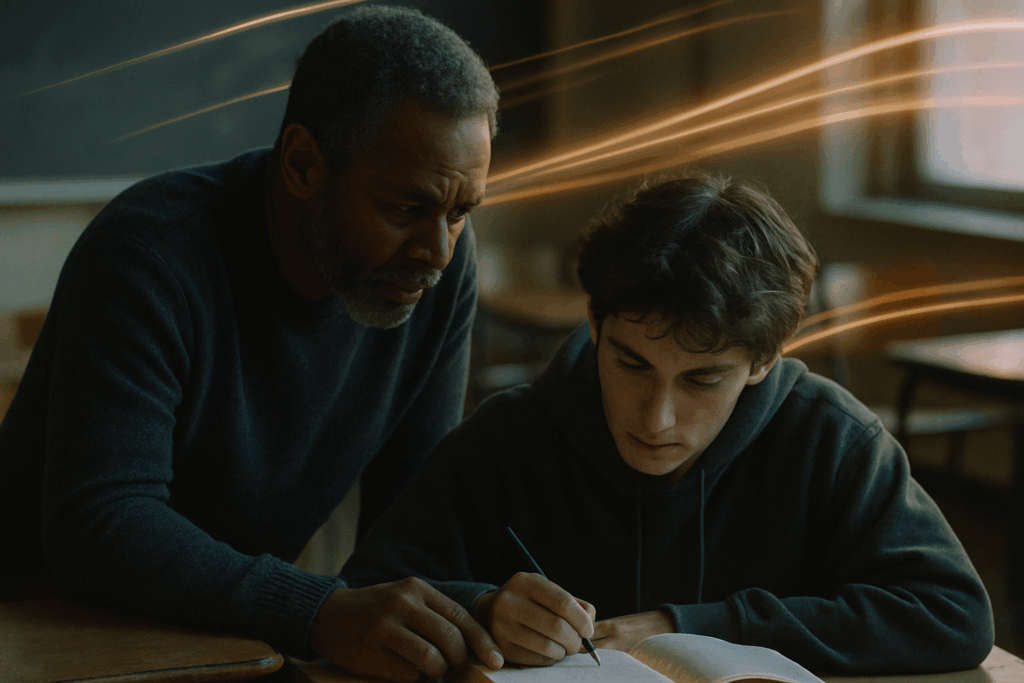
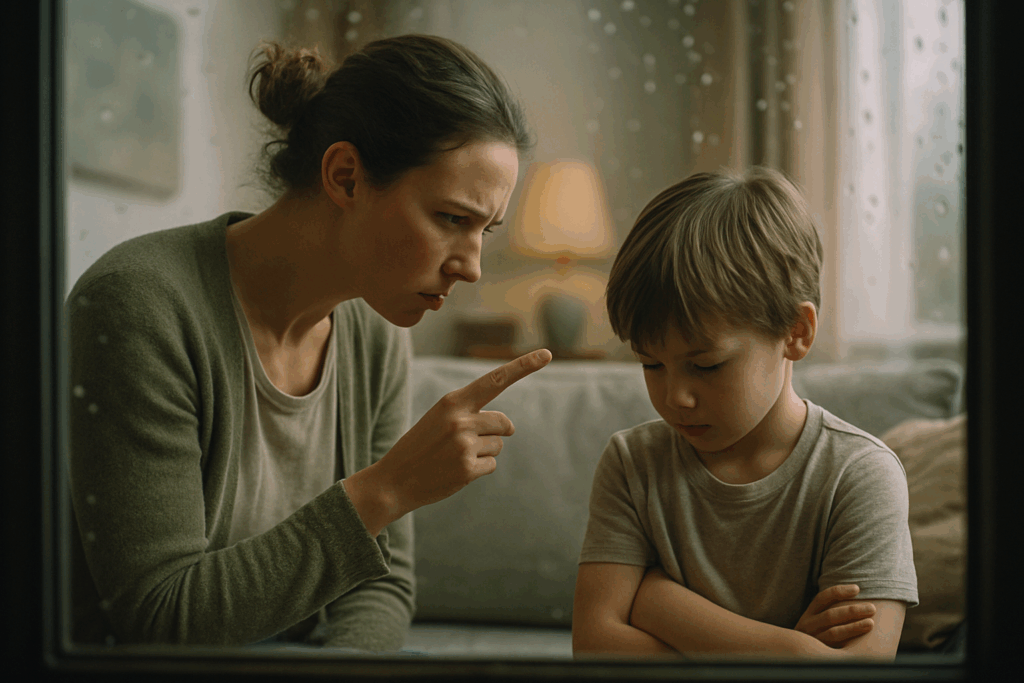
Let’s get clear on the basics. A punishment is something imposed on a child with the aim of making them suffer for misbehavior think grounding, taking away a toy, or time outs used as threats. A consequence, on the other hand, is connected to the behavior itself. It’s not about payback; it’s about teaching. If your kid draws on the wall, a consequence might be them helping clean it up not because you’re angry, but because that’s what fixing mistakes looks like.
Intent changes everything. Punishments often come from a place of frustration and control. They’re usually doled out to get obedience fast. Consequences, when used well, come from a calmer place. The goal isn’t to dominate, it’s to guide. One approach says: “You messed up, now you’ll pay.” The other says: “You made a choice now here’s what happens next.”
Over time, this shapes behavior in very different ways. Punishment might lead to temporary compliance, but it doesn’t teach better decision making. Kids may behave when you’re around and rebel when you’re not. Consequences, especially natural or logical ones, help kids connect actions to outcomes. That creates internal motivation and accountability skills that stick far beyond childhood.
Why Consequences Are More Effective in 2026
Natural and logical consequences work because they mirror life. When a child forgets their lunch, they feel hunger not a lecture. When they break something, they help fix it not sit in a corner. Dozens of behavioral studies back this up: kids are more likely to learn from experiences that feel real and relevant, not arbitrary punishments.
Unlike punishment, which can create fear or shame, logical consequences help build internal motivation. The goal isn’t just getting kids to follow rules it’s helping them understand why. That’s a big shift. Following a rule because you’re afraid of getting in trouble feels different than choosing a better action because you know it’s right. One leads to obedience. The other leads to integrity.
This approach also opens space for trust. When parents respond with clarity instead of control, conversations become easier. Kids feel heard. They begin to see their caregivers not just as rule enforcers, but partners in solving problems. Communication flows both ways. And over time, that connection becomes the strongest foundation for growth.
Real Life Examples of Healthy Consequences
When something breaks, the goal isn’t to scold it’s to solve. If a child knocks over a tablet during a tantrum or drops it while distracted, a logical outcome would be involving them in the fix. Maybe that means they chip in from allowance for repairs, or help research a replacement. It’s not punishment it’s participation. Action meeting outcome. That trail builds accountability, not fear.
Kids learn best when they understand what led to the situation and what comes next. They see that choices have effects. That hitting the wall with a toy means patching it later. That ignoring homework leads to less free time not because someone yelled but because something real happened. These aren’t lectures. They’re daily teachable moments.
And here’s the key part: discipline shouldn’t break the connection. There’s no need for shame dripping speeches, time outs that isolate, or yelling matches that fray trust. Calm, direct responses keep the dignity on both sides. Consequences don’t have to be heavy handed to be effective. They just need to make sense and be followed through.
That’s how real learning sticks.
How Punishments Can Backfire

Punishments might get results in the moment, but the cost stacks up fast. A child might stop the behavior sure but what they’re learning is fear, not understanding. That’s short term compliance. Behind closed doors, it often turns into long term resentment.
When kids constantly feel like they’re under surveillance or threat of isolation (“Go to your room!”), they start to shut down emotionally. That’s not discipline it’s damage control. Punishment opens the door to power struggles where the goal shifts from learning to winning. You say no, they test harder. You tighten the grip, they wriggle free. There’s no collaboration, just escalating conflict.
This is why more parents are rethinking time outs and rigid rules. They don’t build the tools kids need to regulate themselves. Instead, they teach that mistakes lead to separation, not support. Modern parenting leans toward connection over control because fixing behavior isn’t about overpowering a child. It’s about guiding them to understand their actions and choose better next time.
Tips to Make Consequences Work Without Turning Into Punishments
The key to using consequences effectively is how you deliver them. It’s not about crushing behavior it’s about guiding it. Rule one: stay calm. If you lose it, you shift focus from your child’s actions to your reaction. Keep your tone even. Don’t turn it into a lecture or a showdown. Consistency matters more than volume. Follow through does the heavy lifting.
Connection is just as critical. Kids listen better when they feel seen, not judged. Ask questions that get them thinking: “What do you think should happen next?” puts responsibility back in their hands. This isn’t pretending they’re equals it’s showing them how to own mistakes and resolve them.
Lastly, dial in the responsibility to match the age. A five year old and a fifteen year old need different levels of accountability. Focus on guiding, not blaming. If a mistake was made, help them fix it without labeling them as the problem. The behavior is the issue, not the person. That’s the difference between a healthy consequence and a punishment that lingers.
Consequences in the Real World: Time and Energy Matters
Managing behavior in real life the kind with dishes piling up, emails unanswered, and a toddler melting down over the wrong color cup requires more than theory. It takes stamina. It takes choosing your battles and letting go of the fantasy that every moment is a teachable one. You’re not failing if you don’t explain the consequence of every action in a saintly whisper. You’re surviving. And that counts.
Here’s the real trick: consistency beats perfection. Kids respond better to predictable cues than grand lectures. If they know a certain action always leads to a certain outcome without the drama they get the message faster. This doesn’t mean robotic reactions or 24/7 policing. It means showing up roughly the same way, most of the time. A steady rhythm holds more power than a perfect script.
If you’re juggling work and parenting, rhythm is your best friend. Structure helps you save mental bandwidth. And when something goes off the rails (because it will), the structure gives you something to come back to. For more ideas on how to protect your time without losing your mind, check out Balancing work and parenting: Time management strategies that actually help.
Shifting from Control to Coaching
Modern parenting isn’t a boot camp. It’s closer to being a hiking guide you’re not dragging your kid up the trail, but you’re not letting them wander off a cliff either. The goal is to walk beside them, offer direction, and let them take more steps on their own. That shift from command to coach changes everything.
One of the most useful moves? Setting expectations early. Be short, be specific, and follow through. “Put your shoes in the basket when you come in.” Not, “Don’t make a mess.” When kids know what’s expected, they’re not guessing what today’s mood based rules are. That breeds security, not fear.
Follow through isn’t about punishment it’s about choice and response. If they don’t put dishes away, maybe they don’t use those dishes tomorrow. It isn’t dramatic. It’s a clear, logical next step. You don’t yell, you just stay steady.
When accountability is taught early, kids grow up understanding their actions carry weight without it being tied to shame or threat. Your job isn’t to control every outcome. It’s to help them see the link between what they do and what happens next, then let them grow from there.
Moving Forward as a Modern Parent
Parenting in 2026 is less about control, more about connection. The old blueprint commands, consequences, and cold shoulders just isn’t working for today’s kids. What’s emerging instead is a mindset shift: parents acting less like enforcers and more like mentors. It’s not about giving up authority; it’s about shifting how authority is used.
Discipline, at its best, is becoming a conversation. That doesn’t mean letting kids off the hook. It means creating space to ask, listen, and guide, rather than scold and shut down. You’ll still set boundaries but with calm. You’ll still respond to missteps but with curiosity, not just consequences. Asking a child, “What happened there?” can go farther than a raised voice.
And here’s the point: the goal isn’t obedience for its own sake. The aim is raising problem solvers kids who can think through issues, take accountability, and adapt. People pleasing sounds polite, but it often hides fear or insecurity. In contrast, kids who understand cause and effect, and have been invited to be part of that process, grow into adults who don’t need to be told what to do. They’ll know.
Modern parenting doesn’t thrive on perfection. It thrives on clarity, honesty, and course correction. You’re not giving up control. You’re choosing to lead better.
 Norvain Xelvaris writes the kind of health and wellness for moms content that people actually send to each other. Not because it's flashy or controversial, but because it's the sort of thing where you read it and immediately think of three people who need to see it. Norvain has a talent for identifying the questions that a lot of people have but haven't quite figured out how to articulate yet — and then answering them properly.
They covers a lot of ground: Health and Wellness for Moms, Family Activities and Projects, Educational Resources for Kids, and plenty of adjacent territory that doesn't always get treated with the same seriousness. The consistency across all of it is a certain kind of respect for the reader. Norvain doesn't assume people are stupid, and they doesn't assume they know everything either. They writes for someone who is genuinely trying to figure something out — because that's usually who's actually reading. That assumption shapes everything from how they structures an explanation to how much background they includes before getting to the point.
Beyond the practical stuff, there's something in Norvain's writing that reflects a real investment in the subject — not performed enthusiasm, but the kind of sustained interest that produces insight over time. They has been paying attention to health and wellness for moms long enough that they notices things a more casual observer would miss. That depth shows up in the work in ways that are hard to fake.
Norvain Xelvaris writes the kind of health and wellness for moms content that people actually send to each other. Not because it's flashy or controversial, but because it's the sort of thing where you read it and immediately think of three people who need to see it. Norvain has a talent for identifying the questions that a lot of people have but haven't quite figured out how to articulate yet — and then answering them properly.
They covers a lot of ground: Health and Wellness for Moms, Family Activities and Projects, Educational Resources for Kids, and plenty of adjacent territory that doesn't always get treated with the same seriousness. The consistency across all of it is a certain kind of respect for the reader. Norvain doesn't assume people are stupid, and they doesn't assume they know everything either. They writes for someone who is genuinely trying to figure something out — because that's usually who's actually reading. That assumption shapes everything from how they structures an explanation to how much background they includes before getting to the point.
Beyond the practical stuff, there's something in Norvain's writing that reflects a real investment in the subject — not performed enthusiasm, but the kind of sustained interest that produces insight over time. They has been paying attention to health and wellness for moms long enough that they notices things a more casual observer would miss. That depth shows up in the work in ways that are hard to fake.