
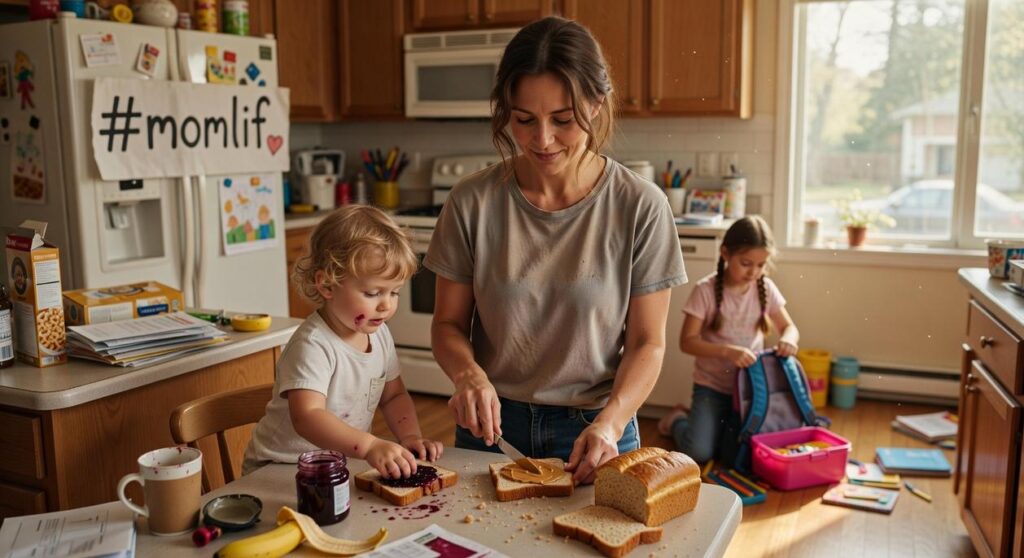
I remember the first time I realized no one actually knows what they’re doing as a parent.
You’re probably exhausted right now. Maybe questioning if you’re the only one who feels like you’re barely keeping it together. You’re not.
Here’s the truth: parenting is messy. It’s beautiful and hard and confusing all at once. And every parent you see who looks like they have it figured out? They’re winging it too.
I’ve spent years connecting with parents who are right there in it. The sleepless nights with newborns. The toddler meltdowns in Target. The silent treatment from teenagers.
This article is about the real stuff. The struggles you don’t see on social media. The moments that make you wonder if you’re doing it all wrong.
We built momlif by listening to thousands of parents share their stories. Not experts in ivory towers. Real moms and dads who are navigating this right alongside you.
You’ll find validation here. You’ll see that what you’re going through is normal. And you’ll get practical strategies that actually work in the real world.
No perfect parenting formulas. No guilt trips about what you should be doing differently.
Just honest conversation about what this journey really looks like and how to handle it without losing yourself in the process.
The Early Years (Ages 0-5): Surviving and Thriving Through the Fog
You know what nobody tells you?
Those first five years will break you in ways you didn’t know were possible.
I’m talking about the kind of tired where you put your phone in the fridge. Where you cry because you spilled coffee on your already dirty shirt. Where you can’t remember the last time you finished a sentence without someone interrupting.
And here’s what really gets me. Everyone says “enjoy every moment” like you’re supposed to feel grateful while you’re running on three hours of sleep and your toddler just threw spaghetti at the wall for the third time this week.
The Sleep Deprivation Challenge
Let’s be honest about this part.
Sleep deprivation isn’t just being tired. It’s forgetting words mid-conversation. It’s snapping at your partner over nothing. It’s questioning every single decision you make because your brain literally isn’t working right.
Some parents will tell you to sleep when the baby sleeps. Sure, that works if you don’t also need to eat, shower, or maintain basic human function.
Here’s what actually helped me. Parent sleep shifts. One of you takes 9pm to 2am. The other takes 2am to 7am. You each get a solid chunk of sleep instead of both of you being zombies.
And that 20-minute nap? It’s not lazy. It’s survival.
The other thing is reframing those brutal nights. This phase is temporary (even when it feels eternal). Your kid will eventually sleep. I promise.
Decoding Toddler Tantrums
The meltdowns are the worst.
You’re in Target and your kid loses it because you won’t buy the cereal with the cartoon character. People are staring. You’re sweating. You want to disappear.
But here’s what’s actually happening. Your toddler has the emotional capacity of a tiny drunk person. Their brain is still developing the part that handles big feelings. They literally can’t regulate themselves yet.
When my kid would melt down, I started getting on their level. Like physically crouching down to eye level. Then I’d name what they were feeling. “You are so frustrated right now.”
It sounds simple but it works. You’re teaching them to identify emotions instead of just exploding.
Then I’d offer two choices. “Do you want the red cup or the blue cup?” It gives them back some control without letting them run the show.
The Identity Shift
This is the part that sneaks up on you.
One day you realize you can’t remember the last time someone called you by your actual name instead of “Mom.” You look in the mirror and don’t recognize yourself. Not just physically (though yeah, that too). But who you are as a person.
I see this all the time at momlif where parents share how they’ve completely lost themselves in the chaos.
And people will say “but being a parent is the most important job.” Like that’s supposed to make you feel better about losing every hobby and interest you ever had.
Here’s what I think. You can love your kids and still miss your old life. Both things can be true.
Start small. Take a 10-minute walk alone. Listen to a podcast that has nothing to do with parenting. Schedule a coffee date with a friend and actually show up.
You’re not being selfish. You’re remembering that you existed before kids and you’ll exist after they leave (even though that feels impossible right now).
The School-Age Maze (Ages 6-12): Juggling Schedules and Social Worlds
You know that feeling when you’re staring at your kid’s homework and wondering why third-grade math makes you want to cry?
Yeah. You’re not alone.
The school-age years hit different. Your child isn’t a little kid anymore but they’re not independent either. And suddenly you’re managing homework meltdowns, friendship drama, and a calendar that looks like you’re coordinating a small corporation.
Some parents say you should just let kids figure it out themselves. That hovering over homework and social problems creates dependency. And sure, there’s truth there. You can’t solve every problem for them.
But here’s what that misses.
Kids this age need guidance. Not solutions handed to them, but someone showing them how to build the skills they’ll use forever.
I’ve watched too many families spiral into nightly battles over assignments and activities. It doesn’t have to be that way.
Ending the Homework Wars
Stop focusing on whether the worksheet gets done.
I know that sounds backwards. But hear me out.
What matters more is building the habit of sitting down and trying. Create a power hour where homework happens at the same time every day. Use a visual timer so they can see the end coming (it helps more than you’d think).
And here’s the big one: praise the effort, not the grade.
When you celebrate how hard they worked instead of the A on top, you take away the performance anxiety that makes kids shut down.
Navigating Complex Friendships
Your kid comes home upset about something that happened at recess.
Your first instinct? Jump in and fix it.
Don’t.
Be their social coach instead. Listen without immediately offering solutions. Ask questions like “What do you think you could try tomorrow?” or “How did that make you feel?”
Role-play the hard conversations. Let them practice what to say when someone’s being mean or leaving them out.
But know the line. Normal friend conflict looks like occasional arguments and hurt feelings that resolve. Bullying is repeated, intentional, and creates a power imbalance. That’s when you step in with the school.
The Over-Scheduling Trap
Every kid doesn’t need soccer, piano, coding camp, and art class.
I see families running from activity to activity, eating dinner in the car, with kids who are exhausted and parents who are burnt out. The pressure to do everything is real, especially when you see what other families post on omlif.
Here’s a better framework: pick one or two things your child actually enjoys. Not what looks good. Not what you wish you’d done as a kid. What brings them genuine joy.
Then protect unstructured time like it’s sacred.
Kids need hours where nothing is scheduled. Where they can be bored and figure out what to do with themselves. That’s where creativity lives. That’s where their brain gets to rest.
Pro tip: If your child resists going to an activity more than twice in a row, it might be time to quit. And that’s okay.
The goal isn’t to raise a well-rounded resume. It’s to raise a kid who knows themselves and has the skills to handle what comes next.
The Teen Years (Ages 13-18): Staying Connected Through Independence
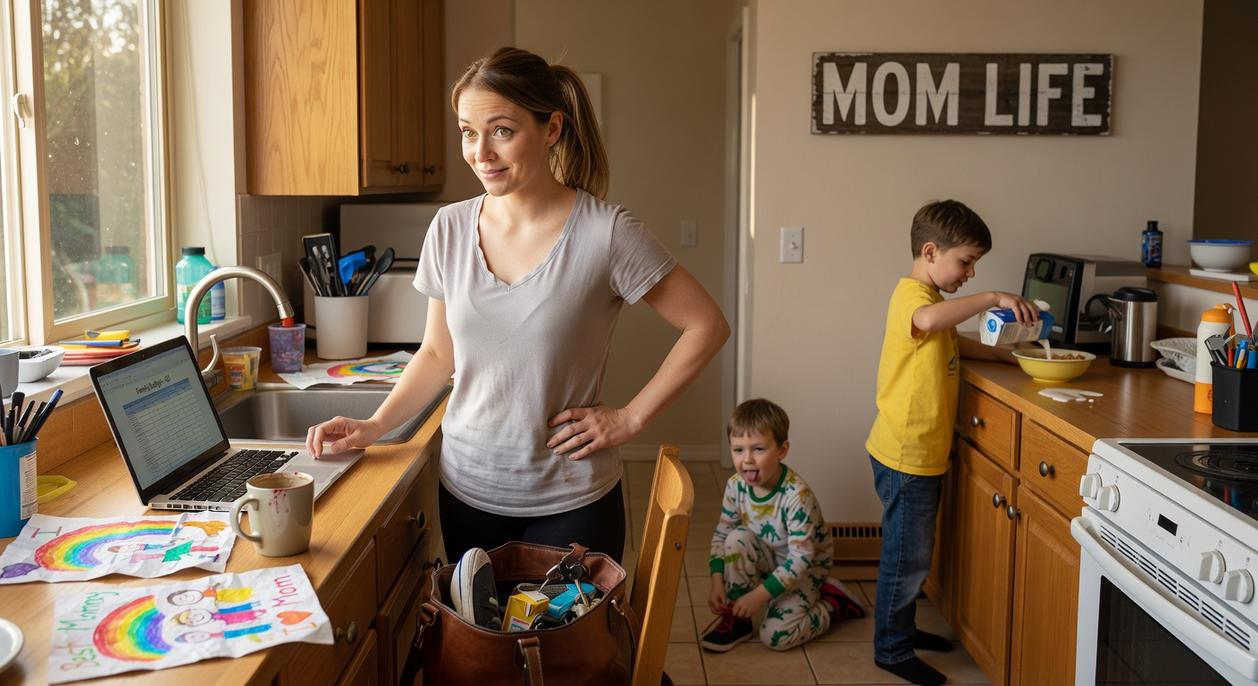
Your teenager just grunted at you for the third time today.
Welcome to the years where “How was school?” gets you a shrug and closed bedroom doors become the norm.
I won’t sugarcoat it. This phase is hard.
Some parents think the answer is giving teens total freedom. Let them figure it out on their own. After all, they need independence to grow up, right?
Others go the opposite direction. They tighten the reins, monitor everything, and try to control every decision their teen makes.
Both approaches miss something important.
Keeping Communication Lines Open
Here’s what I’ve learned. The best conversations with teens happen when they don’t feel like conversations.
Car rides work because they’re not looking at you. There’s no pressure. You’re both facing forward and suddenly they’re telling you about the drama at lunch or the test they bombed.
I also stopped asking yes or no questions. Instead of “Did you have a good day?” I ask “What was the weirdest thing that happened today?” or “Who made you laugh?”
And sometimes? I just send a text. Nothing deep. Just “thinking about you” or a funny meme. It keeps the door open without being that mom fp who hovers.
Modern Pressures: Digital Life & Mental Health
Your teen lives in a world I didn’t grow up in. Social media isn’t just entertainment for them. It’s their social currency.
But that comes with a cost. I watch for signs that worry me. When they stop doing things they used to love. When sleep patterns shift dramatically. When they seem anxious all the time or withdraw completely (and I don’t mean normal teen alone time).
The thing about momlif in 2025? We have to model what healthy digital habits look like. If I’m scrolling endlessly, why would they do differently?
The Challenge of Letting Go
This is where the comparison really matters.
Option A: Keep doing everything for them. Make their lunch, manage their schedule, fix every problem. They stay dependent and hit college or the real world completely unprepared.
Option B: Step back gradually. Let them mess up when the stakes are low.
I choose Option B, even though it’s harder to watch.
I let my teen manage their own money now. Sometimes they blow it all in two days and have nothing left. That’s a better lesson at 16 than at 26.
Same with laundry. Shrunk shirt? That’s how you learn to read labels.
The goal isn’t perfection. It’s building humans who can handle life without me standing right there.
Universal Truths: The Challenges Every Parent Faces
You’re not the only one who feels like you’re failing.
I promise.
That guilt sitting in your chest right now? The one that whispers you’re not doing enough for your kids? It’s not a warning sign that you’re a bad parent.
It’s proof you care deeply.
Here’s what I want you to understand. When you feel guilty about screen time or missing a school event or serving cereal for dinner (again), that feeling comes from LOVE. Parents who don’t care don’t feel guilty.
And here’s the benefit of knowing this: you can stop beating yourself up and start seeing that guilt for what it really is. A sign you’re invested in getting mom lif right.
Now let’s talk about the comparison trap.
You scroll through social media and see perfect birthday parties. Spotless homes. Kids who apparently never throw tantrums.
It’s all curated. You know this. But it still stings when your reality looks nothing like their highlight reel.
The good news? Once you stop comparing, you get your energy back. Energy you can actually use for YOUR family instead of wasting it on feeling inadequate.
You Are Not Alone in This Journey
I know what it feels like to think you’re the only one struggling.
Every parent hits that wall where they wonder if they’re doing it all wrong. The truth is simpler than you think.
We’ve walked through the challenges at each stage. What you’re experiencing right now is normal. It’s part of the path every parent walks.
The isolation is often harder than the actual problem. That’s what makes parenting so tough sometimes.
But here’s what I’ve learned: knowing you’re not alone changes everything. The strategies in this guide come from real experience and shared struggles. They’re built on empathy and the understanding that perfect doesn’t exist.
So here’s what you do next.
Pick one small strategy from this guide and try it this week. Just one. But here’s the more important part: share one of your challenges with a trusted friend or another parent.
That connection matters more than any hack or tip I could give you.
momlif exists because parents need support and community. You came here looking for answers and you found them. Now take that next step and reach out.
You’re doing better than you think you are. Homepage. #Momlif.