
What Parenting Styles Really Are
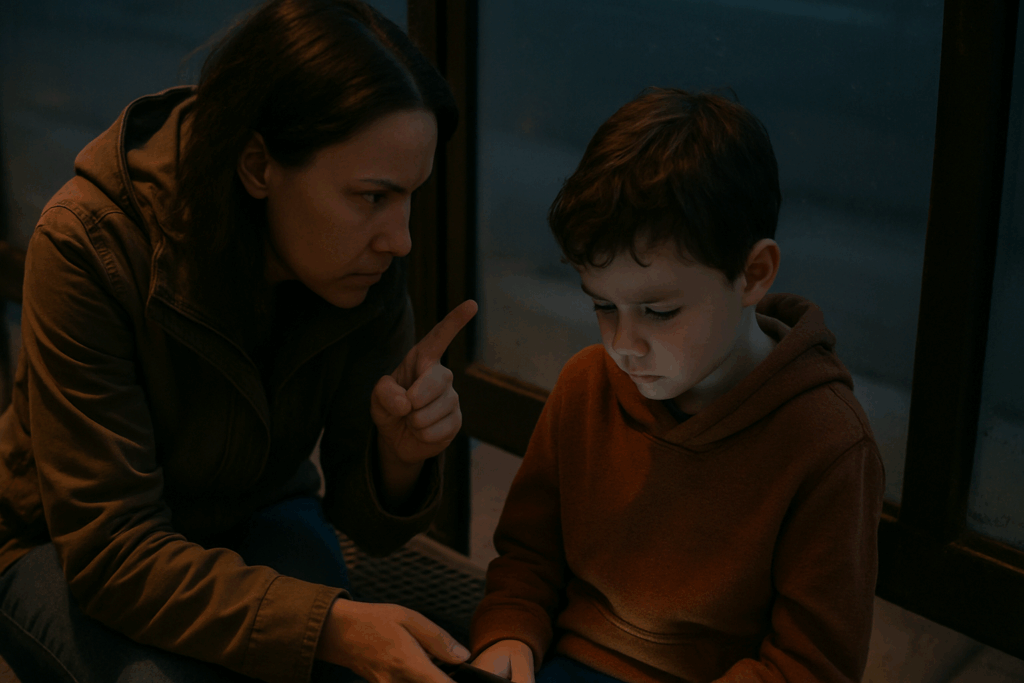
Parenting isn’t one size fits all, but most approaches fall into four basic categories. First, there’s authoritative. These parents strike a balance clear rules paired with emotional responsiveness. The tone is firm but fair. Then you have authoritarian: all rules, not much warmth. Think old school discipline, less conversation. Permissive parents are the opposite easygoing, supportive, but not big on boundaries. The fourth type is uninvolved, where guidance and interaction are minimal. Sometimes it’s detachment, sometimes just exhaustion.
In 2026, these styles matter more than ever. Why? Because parenting now happens against a backdrop of constant digital input. Kids are growing up online, and your style shapes how they handle it everything from self regulation on screens to dealing with digital peer pressure. Are you catching teachable moments or letting algorithms do the raising?
Behavioral psychology has studied this for decades. Authoritative parenting tends to foster confident, emotionally intelligent adults. Authoritarian households may produce rule followers, but often at the cost of creativity or mental well being. Permissive parenting can create emotionally attuned kids who sometimes struggle with limits. Uninvolved styles well, the data shows long term challenges in almost every area: academics, social development, and emotional health.
Bottom line: Knowing your style helps you adjust and respond not just react. Especially when the next challenge might show up in your kid’s browser history instead of the backyard.
Authoritative: Balanced and Responsive
The authoritative parenting style is widely regarded as one of the most effective approaches for raising confident, emotionally resilient, and socially capable children. It strikes a thoughtful balance between setting high expectations and offering consistent emotional support.
What It Looks Like
Authoritative parents:
Set clear rules and boundaries
Communicate openly and explain the reasons behind expectations
Offer warmth, encouragement, and consistent guidance
Allow children to express their thoughts and make age appropriate decisions
This style promotes two way communication and nurtures mutual respect. Children learn that their voice matters, but they also understand the importance of structure and accountability.
Developmental Benefits
Research shows that authoritative parenting fosters:
Confidence: Children feel secure in the guidance they receive, cultivating a healthy sense of self worth.
Autonomy: Kids are encouraged to think independently while still being held to consistent standards.
Emotional Regulation: Ongoing support helps children recognize and manage feelings constructively.
Long Term Social and Academic Success
Because of its balanced nature, authoritative parenting prepares children to navigate the world effectively:
Socially: They are more likely to form healthy peer relationships and engage empathetically with others.
Academically: They tend to perform well in school due to strong motivation, discipline, and a positive learning environment at home.
Authoritative parenting demands effort and presence, but the long term benefits both emotional and academic make it a parenting style worth striving for.
Authoritarian: Strict but Structured
The authoritarian parenting style is marked by a strong emphasis on discipline, control, and high expectations, but with limited emotional warmth and communication.
Key Characteristics:
High demand, low responsiveness
Rules are enforced rigidly, with little room for negotiation
Obedience and respect for authority are prioritized over understanding and dialogue
Short Term Gains, Long Term Costs
At first glance, authoritarian parenting can seem effective. Children may appear well behaved, highly disciplined, and respectful of authority figures. However, the trade offs are worth examining more closely.
Pros:
Clear structure and expectations
Enhanced discipline, especially in structured environments
Predictable household routines
Cons:
Reduced self confidence and emotional security
Difficulty with decision making and independence
Elevated anxiety or fear of failure in some children
Emotional Development Risks
Consistently low emotional responsiveness can negatively shape a child’s self worth and resilience. Studies suggest that children of authoritarian parents may internalize their emotions or struggle to express themselves constructively. Over time, this can impact their personal relationships and self esteem.
Moving Beyond Obedience
Obedience might look like success in the short term, but it shouldn’t come at the expense of emotional development. For healthier growth, children still need:
Safe spaces to voice opinions
Encouragement around their emotions
Opportunities to make choices even small ones to build confidence
Permissive: Freedom With Few Limits
Permissive parenting comes with a lot of warmth and very few boundaries. At first glance, that can look like a dream scenario kids free to express themselves, minimal conflict, emotional closeness. But without consistent structure, kids raised under this style often wind up struggling with things like discipline, delayed gratification, and setting personal goals. The open ended freedom creates space for creativity, sure. But it also leaves a vacuum where accountability and routine belong.
Here’s where media comes in and turns the volume up. Today’s kids already navigating endless apps, notifications, and content are more likely to build habits based on short term pleasure than long term goals. In permissive homes, where rules around screen time or content exposure are loose, the result can be a feedback loop: easy access, few checks, and gradually declining interest in things that take patience or effort.
Permissiveness doesn’t equal neglect, but it does demand intentional effort to build soft limits and encourage resilience. Otherwise, the digital world fills the gap and not always in ways that serve a child’s long term well being.
Uninvolved: Detached or Overwhelmed
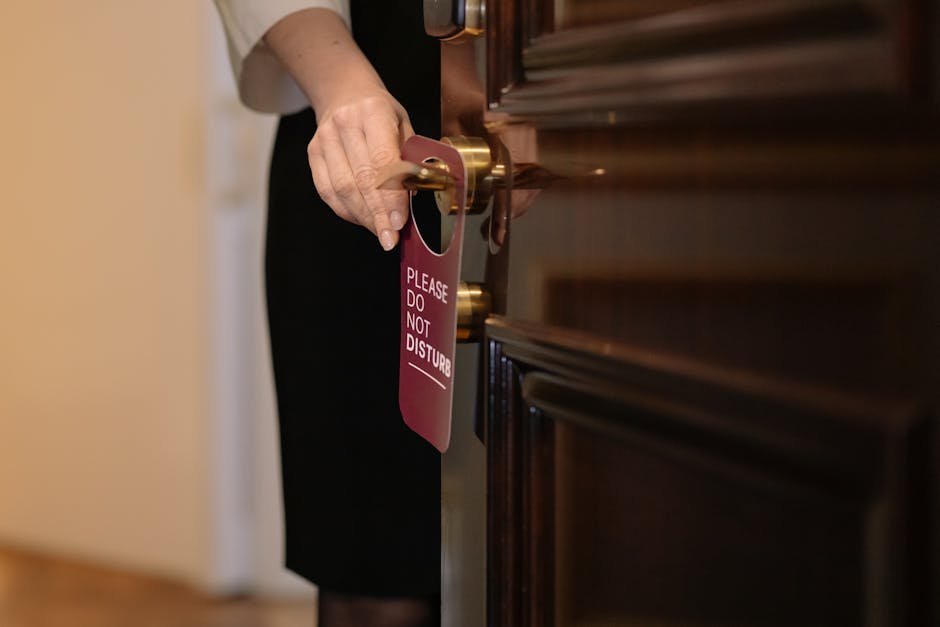
Uninvolved parenting isn’t about active neglect it’s often the result of burnout, chronic stress, or feeling lost without a clear framework. Life gets loud, and some parents, swamped by their own challenges, unintentionally dial down their involvement. The result: kids growing up with minimal structure, minimal response, minimal emotional mirroring.
In this style, expectations are vague or nonexistent. Feedback positive or negative is rare. Over time, children absorb the silence. They may begin to emotionally pull back, unsure of how much space they actually occupy in someone else’s world. In school, the impact can show up as disengagement, lower motivation, or spotty performance.
The tough part? Uninvolved parenting doesn’t always look obvious from the outside. Some of it is hidden behind busy schedules, financial stress, or untreated mental health issues. It’s not about villainizing parents it’s about challenging the conditions that make detachment the norm.
When presence becomes optional instead of consistent, kids feel that at their core. But the good news: awareness is the first lever. This isn’t permanent. Getting help, setting micro routines, or even just offering active attention in small doses can quietly shift the entire family dynamic.
Real World Ripple Effects
Parenting doesn’t happen in a vacuum its influence echoes through how children behave, learn, and eventually parent their own kids. Each parenting style leaves distinct imprints, and those effects show up in multiple areas over time.
Academic Performance and Emotional Maturity
How children perform in school isn’t just about smarts it’s also about structure, encouragement, and emotional resilience:
Authoritative parenting tends to produce kids who are self motivated, disciplined, and balanced in handling academic stress.
Authoritarian homes may create strong rule followers, but children can become perfectionistic or anxious.
Permissive parents might nurture creative, curious minds but their children may lack the focus and accountability needed for consistent success.
Uninvolved parenting often correlates with poor academic outcomes and low emotional regulation due to a lack of support and oversight.
Peer Relationships and Risk Taking Behaviors
The way children form friendships and handle social boundaries often reflects how authority and independence were modeled at home.
Kids raised in authoritative environments tend to form healthy relationships based on mutual respect and trust.
Those from authoritarian households may struggle with assertiveness or gravitate toward rebellion.
With permissive parenting, children might develop strong social confidence but sometimes ignore limits, leading to impulsive choices.
Uninvolved parenting may result in peer detachment or falling in with high risk social groups due to a need for connection.
The Cycle of Parenting: From Child to Parent
Children often carry their learned experiences into their future roles as mothers and fathers. This repetition or careful redirection is a direct outcome of how they were parented.
Children raised in structured yet nurturing homes are more likely to replicate intentional, balanced parenting.
Those from overly strict or hands off homes may either subconsciously mimic these patterns or deliberately adopt the opposite approach.
Recognizing these ripple effects is the first step toward mindful, impactful parenting not only for your children, but for generations to come.
Why Style Isn’t Fixed
Parenting isn’t static. It bends with the weight of real life stress levels, cultural norms, support networks, and personal growth all play a part. A parent navigating a job loss may shift from calm and consistent to reactive and rigid. Add cultural expectations or a lack of help, and it’s easy to see how someone’s approach can fluctuate without them even realizing it.
That’s where self awareness comes in. Knowing your go to style and how it changes under pressure is key. Tools like journaling, therapy, mindfulness, or even a candid chat with your co parent help you stay intentional instead of reactive. When you catch yourself defaulting to autopilot, hit pause and reassess.
And if you’re co parenting whether in the same home or not alignment matters. Mixed messages confuse kids. You don’t have to parent identically, but talking through values and discipline methods ahead of time creates a firmer foundation. Shared strategy, even loosely held, helps children feel secure and understand expectations. No style works in isolation. Consistency across caregivers gives kids the clarity they crave.
Everyday Decisions That Reflect Your Style
Parenting style isn’t just about how you discipline or praise it shows up in the small, repetitive choices. How long your kid spends glued to a tablet. Whether a missed chore means a calm reminder or a showdown. How you respond when they break a rule or fall apart after a bad day. These moments stack up.
If you’re consistent, clear, and calm (even when you’re tired), you’re leaning authoritative structured but supportive. If everything becomes a power struggle or you’re swinging between strict and checked out, it’s probably time to reassess.
And then there’s sibling rivalry the pressure cooker of family dynamics. It tests your patience, your rules, and your ability to stay neutral. Do you separate them and play referee? Or teach them to talk it out? The way you handle these fights says more than a lecture ever could.
The good news: You can make small shifts without a complete overhaul. Want practical strategies that actually work? Check out 7 Tips That Foster Harmony at Home.
Raising the Bar in 2026
By now, most parents know there’s no one size fits all approach. But what matters more in 2026 is how intentional you are with your mix. Blending different parenting styles isn’t about jumping from one to the next it’s about knowing when to be firm, when to listen, and when to just be there. Think less guessing, more clarity.
Perfection isn’t on the table, and it never was. What counts is presence: showing up even on the messy days. Progress over perfection. Embracing the long game. Parenting is repetitive, frustrating, and often thankless but it’s also powerfully shaping. You won’t always get the tone right or respond with perfect wisdom. That’s okay. The kids aren’t looking for perfect parents. They’re looking to see if you care enough to try, again and again.
Be patient. Keep showing up. The small things compound over time, they matter more than any single “right” move.