
You’re exhausted.
Scrolling through listings at 11 p.m., squinting at photos that look nothing like the address, wondering if the “great schools” rating means anything when no one waves back on the sidewalk.
I’ve been there. More than once.
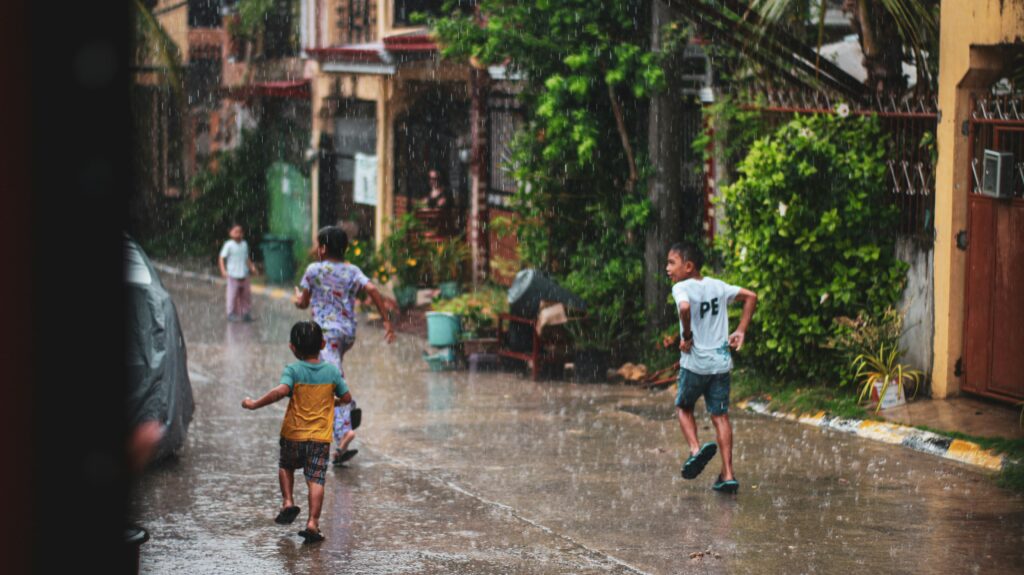
It’s not just about square footage or curb appeal. It’s whether your kid can ride their bike to the park alone. Whether you’ll know your neighbor’s name before month three.
School ratings lie. Crime stats don’t tell you if people leave their doors unlocked.
Convwbfamily isn’t about perfect houses. It’s about finding where your family breathes easier.
I’ve talked to teachers, PTA leads, and parents who moved three times before landing in the right place.
This guide cuts past the fluff. You’ll get real questions to ask. Real signs to watch for.
Real ways to test a neighborhood before you sign.
No theory. Just what works.
Safety Isn’t Just About Cops and Cameras
I walked my kid to school last week. We crossed three streets. One had speed humps.
One had a crosswalk with flashing lights. One had nothing (just) faded paint and drivers who didn’t slow down.
That third street made me hold my breath.
Safety isn’t just crime stats. It’s whether you feel okay letting your kid walk alone. It’s whether strollers fit on the sidewalk.
It’s whether streetlights actually work after 8 p.m.
Traffic calming measures aren’t optional extras. They’re basic respect for human life.
Look for low traffic speeds. Not “low in theory.” Actual posted limits under 30 mph. And enforcement that matches.
Schools? Forget the glossy brochure.
I checked test scores once. Then I sat in on PTA meetings. Watched how teachers greeted kids at the door.
Asked parents what they really thought (not) what the district website said.
Test scores lie. Culture doesn’t.
A strong parent-teacher association means people show up. Not just for bake sales (for) budget votes, discipline policy changes, curriculum reviews.
Green space isn’t decoration.
It’s where kids burn off energy without screens. Where parents catch their breath. Where neighbors say hello instead of nodding at phones.
I’ve seen parks with broken swings and overgrown trails. That’s not green space. It’s neglect.
Well-maintained parks within a 10-minute walk change daily life. Not dramatically. Just enough.
You’ll notice it when your kid asks to go outside instead of upstairs.
Convwbfamily built its whole approach around this stuff (not) spreadsheets, but sidewalks.
Here’s your mini-checklist:
- Low traffic speeds (not just signs (real) behavior)
- Active parent-teacher associations (not just Facebook groups)
If one thing’s missing? You’ll feel it. Every day.
The Real Test: Does This Place Feel Like Home?
I walk into a neighborhood and I know in ten minutes whether it’s got soul.
You don’t need a survey or a focus group. Just show up on a Saturday afternoon.
Are kids on bikes? Are people sitting on porches instead of scrolling inside? Is there eye contact?
A wave? A quick chat about the weather or the dog?
That’s not small talk. That’s the first sign of Convwbfamily.
I’ve moved three times. Every time, I skipped the open houses and went straight to the park at 3 p.m. on Sunday. Watched who stayed late.
Who lingered after pickup. Who helped the old guy carry groceries.
Farmers’ markets matter. But only if people stay to talk, not just grab kale and bolt.
Block parties? Yes. But skip the ones with loud DJs and zero interaction.
I go into much more detail on this in Parenting done easily convwbfamily.
Look for the ones where someone’s grilling for strangers and the kids are running between yards like it’s their own.
Holiday parades tell you everything. Are people lining the street with lawn chairs and cookies? Or just watching from cars?
Public libraries with storytime packed full? Good sign. Empty community centers with peeling paint?
Not great.
Coffee shops count. But only if they’re full of regulars who know each other’s orders.
A family-friendly restaurant where the staff remembers your kid’s name? That’s gold.
I once lived two blocks from a “lively” downtown that felt like a movie set. No one knew each other. No one waved.
It was loud and busy. And completely hollow.
Don’t confuse foot traffic with connection.
Ask yourself: Would my kid make friends here without me saying a word?
If the answer is yes. You’re probably in the right place.
Everyday Logistics: Where Life Actually Happens
I measure neighborhoods by how many things I can do before 8 a.m. without losing my mind.
Grocery stores within walking distance? Non-negotiable. Pharmacies open past 7 p.m.?
Yes please. Urgent care that takes walk-ins and has pediatricians on staff? That’s the line between “meh” and “I’ll move here tomorrow.”
You don’t realize how much mental bandwidth goes into routing until you’re doing it every day. Is the bus reliable (or) just a hopeful rumor? Are bike lanes painted or just imagined?
Does “15-minute commute” mean 15 minutes if nothing goes wrong, or 15 minutes every single time?
Stress isn’t just about time. It’s about uncertainty. About waiting in line while your kid melts down because you missed the 3:45 p.m. pickup window.
Childcare isn’t a luxury. It’s infrastructure. Same with after-school programs that actually run on schedule.
Same with youth sports leagues that don’t require you to become a volunteer coordinator just to get your kid on a team.
I’ve watched parents choose apartments based on which school district has the least chaotic pickup line.
That’s real.
If you’re tired of logistics dictating your family’s rhythm, then Parenting done easily convwbfamily is worth your attention.
Convwbfamily isn’t a slogan. It’s a filter. Ask yourself: does this place let me live, or just survive?
No one signs up for parenthood to become a logistics manager.
So stop acting like one.
How to Actually Research a Neighborhood
I start with online recon. Not the glossy real estate listings. I join local parent groups on Facebook.
I scroll neighborhood forums until my thumb hurts.
You’ll hear about the potholes no one reports. The school pickup line that backs up for blocks. The weird smell coming from the alley behind the bodega at 3 p.m.
(it’s the bakery. Turns out it’s fine).
The Drive-By (and Walk-By)
Go at 7 a.m. Go at 5:30 p.m. Park and sit for ten minutes.
Listen to the sirens. Feel the sidewalk cracks under your shoes. Smell the exhaust, the damp grass, the burnt coffee from the corner shop.
Then walk it. Same times. Same routes.
Talk to locals. Not the guy selling lemonade. A parent at the park.
A barista who’s worked there five years. Ask: What’s the first thing you’d tell someone moving here?
They’ll pause. Then they’ll tell you the truth.
That’s where Convwbfamily comes in. Not as a tool, but as a reminder: real people live here. Not data points.
Not listings. People.
Do this before you sign anything.
You Already Know What Your Family Needs
I’ve watched families chase perfect schools, then realize the sidewalks are unsafe.
Then they fix the sidewalks, and the parks feel empty.
It’s exhausting.
The right neighborhood isn’t about ticking boxes. It’s where your kid bikes to school and you wave to neighbors by name. Safety.
Schools. Quiet streets. A real sense of we.
You want all of it. Not one or two things. All of it (without) compromise.
That’s why Convwbfamily exists. It cuts through noise. Shows what’s actually working for families like yours.
This week, pick one neighborhood. Walk its main park for an hour on Saturday. Watch how kids play.
Listen to how people talk. Feel whether it fits.
That’s your first real step. Not another spreadsheet. Not another listing site.
Just you, your family, and a place that could be home.
Start there.
 Corey Valloconeza has opinions about educational resources for kids. Informed ones, backed by real experience — but opinions nonetheless, and they doesn't try to disguise them as neutral observation. They thinks a lot of what gets written about Educational Resources for Kids, Support and Community Resources, Parenting Tips and Advice is either too cautious to be useful or too confident to be credible, and they's work tends to sit deliberately in the space between those two failure modes.
Reading Corey's pieces, you get the sense of someone who has thought about this stuff seriously and arrived at actual conclusions — not just collected a range of perspectives and declined to pick one. That can be uncomfortable when they lands on something you disagree with. It's also why the writing is worth engaging with. Corey isn't interested in telling people what they want to hear. They is interested in telling them what they actually thinks, with enough reasoning behind it that you can push back if you want to. That kind of intellectual honesty is rarer than it should be.
What Corey is best at is the moment when a familiar topic reveals something unexpected — when the conventional wisdom turns out to be slightly off, or when a small shift in framing changes everything. They finds those moments consistently, which is why they's work tends to generate real discussion rather than just passive agreement.
Corey Valloconeza has opinions about educational resources for kids. Informed ones, backed by real experience — but opinions nonetheless, and they doesn't try to disguise them as neutral observation. They thinks a lot of what gets written about Educational Resources for Kids, Support and Community Resources, Parenting Tips and Advice is either too cautious to be useful or too confident to be credible, and they's work tends to sit deliberately in the space between those two failure modes.
Reading Corey's pieces, you get the sense of someone who has thought about this stuff seriously and arrived at actual conclusions — not just collected a range of perspectives and declined to pick one. That can be uncomfortable when they lands on something you disagree with. It's also why the writing is worth engaging with. Corey isn't interested in telling people what they want to hear. They is interested in telling them what they actually thinks, with enough reasoning behind it that you can push back if you want to. That kind of intellectual honesty is rarer than it should be.
What Corey is best at is the moment when a familiar topic reveals something unexpected — when the conventional wisdom turns out to be slightly off, or when a small shift in framing changes everything. They finds those moments consistently, which is why they's work tends to generate real discussion rather than just passive agreement.