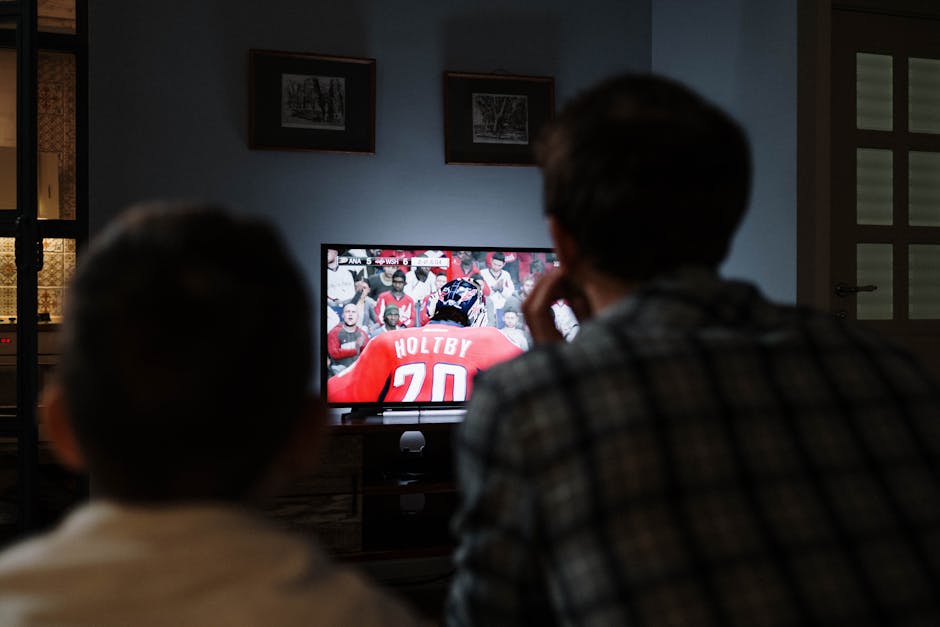

I sat across from my sister last week. We shared a meal. Both of us scrolled through our phones the whole time.
That’s not connection.
That’s just proximity with Wi-Fi.
You’re not here for grand theories about family harmony. You don’t need another article telling you what family should be. You want to know how to actually do it (right) now, with the people already in your life.
This isn’t about fixing broken relationships. It’s about strengthening what’s already there. Small shifts.
Real habits. Things that work when kids are tired, parents are aging, or step-siblings are learning to share space.
I’ve helped families through divorce, new babies, dementia diagnoses, and cross-country moves. Not from a textbook. From living rooms, kitchen tables, and late-night texts.
What works isn’t flashy. It’s consistent. It’s kind.
It’s human.
You’ll get clear, research-informed steps (not) ideals dressed up as advice.
No fluff. No jargon. Just ways to build Positive Connection Convwbfamily that lasts.
Emotional Safety Isn’t Fluff. It’s the Floor You Stand On
I used to think emotional safety was just “being nice.”
Turns out, it’s the difference between connection and silence.
Emotional safety means feeling heard without judgment, and sharing something tender without bracing for dismissal. That’s it. No jargon.
No therapy-speak.
But here’s what breaks it: inconsistency. You listen deeply one day, then brush off the same feeling the next. Your kid says they’re overwhelmed (and) you jump to solutions instead of saying “That sounds really hard.”
That reflex?
It teaches them not to come back.
I’ve watched parents do this with good intentions. They want to fix it. But fixing isn’t always what’s needed.
Validation is.
And yes. This isn’t just “soft stuff.” Your nervous system notices. When safety cues repeat (tone,) eye contact, pause before reply (your) amygdala settles.
You build relational stamina. Like muscle memory for trust.
Try this: Pause for 90 seconds after a family interaction. Name one emotion you felt. Just say it out loud: “I felt impatient.” “I felt unseen.”
Then breathe.
Don’t fix. Don’t explain. Just name it.
Convwbfamily builds on that exact idea. It’s where real talk starts. Not polished, not performative.
Positive Connection Convwbfamily begins there. Not with grand gestures. With one honest pause.
The Power of Micro-Connections: Tiny Shifts, Real Change
I used to think connection needed big moments. Birthday calls. Long dinners.
Grand apologies. Turns out I was wrong.
Eye contact while saying goodbye? That’s a Positive Connection Convwbfamily starter. It says you mattered enough for me to hold your gaze.
Not just rush off.
Using someone’s name when giving praise? Try it. “Sam, that report was sharp” lands harder than “Nice work.”
Names anchor attention. They’re not fluff.
They’re friction against autopilot.
Asking “What was one thing that mattered to you today?”
Not “How was your day?”. Which invites “Fine.”
This question opens a door. I’ve seen people pause, blink, then exhale like they’d been holding their breath.
Pausing mid-conflict to say “I want to understand”? That sentence stops arguments cold. Not because it fixes everything (but) because it resets the ground rules.
My sister and I nearly blew up over laundry last month. I made eye contact. Used her name.
Asked what mattered. Tension dropped 70% before we even got to the detergent.
Here’s my tracker: a sticky note on my mirror.
One checkmark per day a micro-connection lands (authentically,) not as performance.
You don’t need perfection. You need presence. Start small.
Watch what compounds.
Fighting Is Fine. Breaking Trust Isn’t
I used to believe the myth too: Healthy families don’t fight.
It’s nonsense. Conflict isn’t the problem. How you handle it is.
Rupture-and-repair cycles (yes,) that’s the real engine of closeness. Not peace. Not silence.
You will say something sharp. You will misread tone. You will forget your kid just had a brutal day at school.
That’s normal. What’s not normal? Letting it fester.
Here’s what I do instead of storming off: “I need 30 seconds to breathe so I can listen well.”
Say it out loud. Then walk away. Come back.
No drama. No guilt.
Vague apologies kill trust. Try this instead: “I regret how I spoke earlier. Can we try again?”
Not “Sorry if you were upset.” That’s blame-shifting. Say what you did. Own it.
Ask for a redo.
Timing matters more than you think. Don’t try to fix hurt while someone’s still flooded. Wait until breath slows.
Until shoulders drop.
I watched a parent use that exact phrase after snapping at her teen over a messy room. Two minutes later, the teen said, “Actually… I got rejected from the art club today.” That wouldn’t have come out mid-argument.
The Strategic guides convwbfamily go deeper on repair scripts and regulation cues (worth) checking if you keep tripping on the same fights.
Rituals That Anchor Belonging (Not) Just for Holidays

Rituals aren’t about tradition. They’re repeated, meaningful actions that signal “you matter here.”
I stopped doing holiday-only rituals years ago. They felt like performance (not) connection.
Sunday morning coffee chats work because someone else picks the agenda each week. No prep. No pressure.
Just presence.
Gratitude handoff at bedtime? One person says what they appreciated about another. Not forced.
Not long. Just real.
Monthly connection check-ins use two questions: What’s working? and What feels heavy?
That’s it. No solutions required. Just listening.
Consistency beats frequency every time. Ten minutes weekly builds more security than one hour quarterly. Try it.
Rituals drift. You’ll notice when they feel automatic (or) worse, obligatory. Ask yourself: Does this still feel warm or forced?
Teenage years hit? Switch from dinner to voice notes. Move the ritual.
Not abandon it.
Adapting isn’t failure. It’s respect. For the people, not the plan.
This is how you build Positive Connection Convwbfamily. Not with grand gestures. With small, steady returns.
When Stress Hits Your Family Like a Freight Train
I’ve been there. Bills pile up. Someone’s sick.
Work bleeds into dinner. And suddenly your family feels less like a team and more like strangers sharing Wi-Fi.
That’s not failure. That’s physics. External stressors don’t care about your values or your love.
They just hit.
But here’s what changes everything: Positive Connection Convwbfamily isn’t fluff. It’s your family’s shock absorber.
I’ve watched cortisol drop in real time when two people breathe together for 90 seconds before arguing about chores. Slow inhale. Hold.
Long exhale. Do it side by side. Not as therapy (as) reset.
Try this script next time things feel tight: “This season feels heavy for all of us. How can we lighten one thing together?” Say it. Don’t wait for permission.
And protect seven minutes. Just seven. No phones.
No fixes. Just sitting, walking, or making toast while looking at each other. That’s where “we’re still us” gets rebuilt.
You don’t need grand gestures. You need consistency (tiny,) defiant acts of presence.
this resource shows how to hold that line without burning out.
Your First Supportive Connection Moment Starts Now
I’ve said it before and I’ll say it again: Positive Connection Convwbfamily isn’t about perfect moments.
It’s about showing up (bad) hair, tired eyes, half-formed thoughts. And choosing one small thing today.
You already know which micro-connection fits your life right now. (It’s in section 2.)
Don’t wait for the “right time.” There is no right time. Just this one.
Set a phone reminder for 5 p.m. today. Message: *Pause. Breathe.
Look up. Say their name.*
That’s it. That’s the whole thing.
Emotional safety doesn’t bloom from big speeches. It grows when you do the tiny thing (again) and again.
You’re not fixing everything today. You’re starting.
And that’s enough.
Connection isn’t built in grand declarations. It’s woven, stitch by quiet stitch, in the moments you choose to show up.
 Corey Valloconeza has opinions about educational resources for kids. Informed ones, backed by real experience — but opinions nonetheless, and they doesn't try to disguise them as neutral observation. They thinks a lot of what gets written about Educational Resources for Kids, Support and Community Resources, Parenting Tips and Advice is either too cautious to be useful or too confident to be credible, and they's work tends to sit deliberately in the space between those two failure modes.
Reading Corey's pieces, you get the sense of someone who has thought about this stuff seriously and arrived at actual conclusions — not just collected a range of perspectives and declined to pick one. That can be uncomfortable when they lands on something you disagree with. It's also why the writing is worth engaging with. Corey isn't interested in telling people what they want to hear. They is interested in telling them what they actually thinks, with enough reasoning behind it that you can push back if you want to. That kind of intellectual honesty is rarer than it should be.
What Corey is best at is the moment when a familiar topic reveals something unexpected — when the conventional wisdom turns out to be slightly off, or when a small shift in framing changes everything. They finds those moments consistently, which is why they's work tends to generate real discussion rather than just passive agreement.
Corey Valloconeza has opinions about educational resources for kids. Informed ones, backed by real experience — but opinions nonetheless, and they doesn't try to disguise them as neutral observation. They thinks a lot of what gets written about Educational Resources for Kids, Support and Community Resources, Parenting Tips and Advice is either too cautious to be useful or too confident to be credible, and they's work tends to sit deliberately in the space between those two failure modes.
Reading Corey's pieces, you get the sense of someone who has thought about this stuff seriously and arrived at actual conclusions — not just collected a range of perspectives and declined to pick one. That can be uncomfortable when they lands on something you disagree with. It's also why the writing is worth engaging with. Corey isn't interested in telling people what they want to hear. They is interested in telling them what they actually thinks, with enough reasoning behind it that you can push back if you want to. That kind of intellectual honesty is rarer than it should be.
What Corey is best at is the moment when a familiar topic reveals something unexpected — when the conventional wisdom turns out to be slightly off, or when a small shift in framing changes everything. They finds those moments consistently, which is why they's work tends to generate real discussion rather than just passive agreement.