Babies & Toddlers (0 3 Years): Build Familiarity with Books
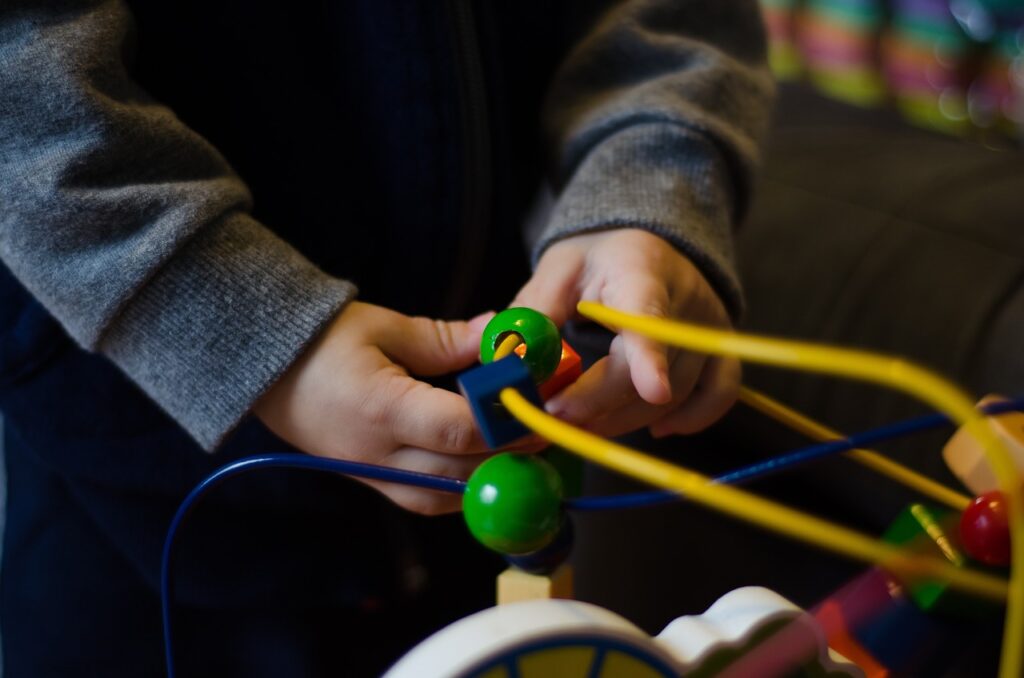
At this age, it’s all about exposure. Keep books within reach fabric books that crinkle and squish, waterproof ones for tub time, and sturdy board books that can survive drool and teething. Let the books live in play areas, next to the crib, or in the car. If they’re always around, books start to feel like just another fun part of the day.
Babies aren’t following a plot, but they’re soaking up everything your voice, the rhythm of your speech, even how you turn the pages. That’s where nursery rhymes, songbooks, and simple repetition come in. Repeating the same lines helps them make sound connections and builds comfort through predictability.
Routine matters. Reading before naps or bedtime adds a sense of calm and signals wind down time. It’s not just about the pictures, either your child associates the sound of your voice and the act of reading with care and closeness. That connection is what lays the foundation for a lifelong love of books.
This stage isn’t about finishing the story. It’s about creating a rhythm and making books a part of your shared environment. Reading is both a tool and a signal: this is your time together.
At ages 4 to 5, preschoolers aren’t just listening they’re starting to form their own ideas about the world in big, bold ways. Reading with them shifts from passive to active.
Start by asking simple questions mid story. “What do you think will happen next?” or “Why do you think she did that?” It helps their brains stay alert and encourages storytelling instincts.
Pictures are doing heavy lifting here too. Let your kid take the lead sometimes. Even if they can’t read words yet, they can “read” images and tell their own versions of the story. This builds narrative confidence, even before true decoding skills kick in.
Stick with books that feature repetition, rhyme, and predictability. These patterns do more than hold interest they help kids anticipate language, which is a key stepping stone toward fluency.
And don’t be afraid to get weird. Use goofy voices. Break out finger puppets if you can stand them. Tap the page, wave your arms, lean into movement. Engagement doesn’t come from the book alone it often comes from you.
Last tip: rotate the bookshelf. A mix of favorites and fresh finds keeps things lively. Too much repetition can get old fast even for a preschooler.
This is the age to keep it light, interactive, and full of play. They’ll learn more when they don’t realize they’re learning.
Early Elementary (6 8 Years): Build Confidence and Choice
This is the age when kids start reading to learn not just learning to read. Tap into their interests when picking books. Dinosaurs, superheroes, cooking, bugs whatever gets them curious, that’s your lane. Early chapter books with short sentences and lots of pictures help build stamina without overwhelming them.
Let them re read their favorites. It’s not slacking it’s how fluency, speed, and comprehension quietly develop. Familiar stories mean they can focus on bigger picture stuff like character and plot rather than just decoding words.
Take regular trips to the library. The freedom to choose makes reading feel like a privilege, not a chore. Don’t worry if they pick something silly or light enthusiasm trumps complexity at this stage.
If motivation lags, reward charts can help. But track minutes spent reading, not pages. A child stuck on one word for ten minutes is still doing the work.
Last but not least every kid learns differently. Some need visuals. Others get it better when they hear it aloud. Pay attention to how they absorb stories. If you’re not sure, this is a good guide: How to Spot and Support Your Child’s Learning Style.
The point isn’t to raise the next literary genius it’s to help them enjoy reading enough to keep going.
Tweens (9 12 Years): Respect Their Independence

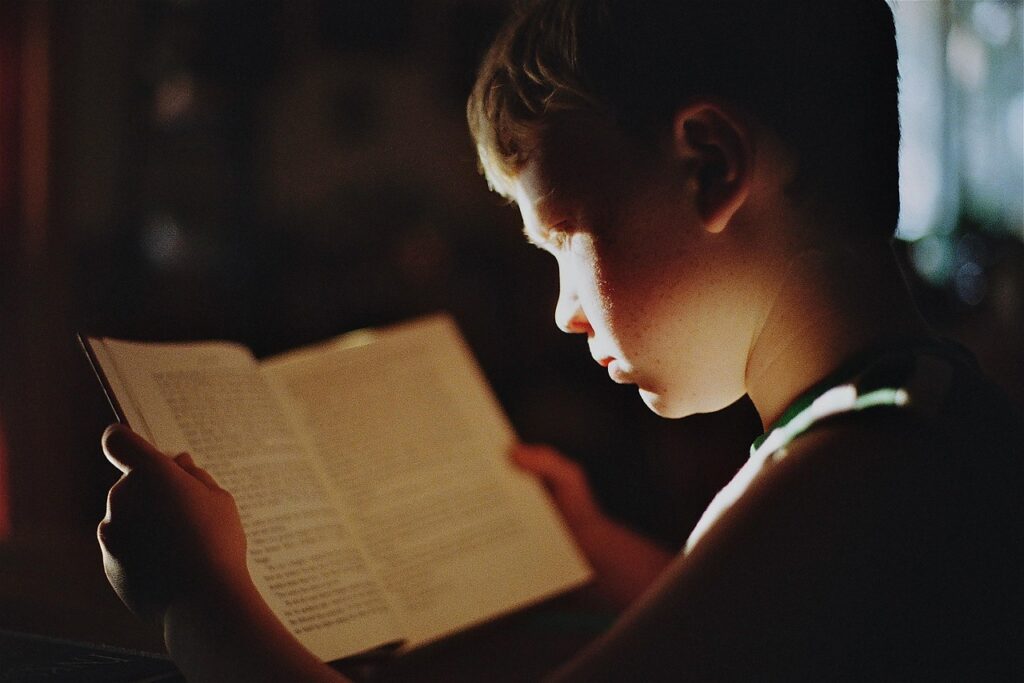
This is the age where pushing too hard can backfire. Recommend good books, sure but don’t turn it into homework. Leave them space to own their reading choices. They’re figuring out what they like, and your job is to supply the options, not the pressure.
Not every kid lives for novels. That’s fine. Graphic novels, audiobooks, magazines about space or sharks it all counts. Reading is reading, even when it doesn’t come in hardcover.
Give them a spot. Maybe it’s a corner beanbag with a lamp or just the back seat of the car with headphones. When reading feels calm and easy, it’s more likely to happen.
And when they actually read something? Talk about it casually. No lectures. No quizzes. Just link their stories to something you saw on a walk, in the news, or on TV. When books connect with real life, they start to matter more.
Teens (13+ Years): Make It Relevant
By the time kids reach their teenage years, reading can either become a cherished habit or fall entirely off their radar. Schools often associate reading with assignments and grading, so it’s crucial for parents and mentors to keep the joy of reading alive by connecting books to real life.
Connect Reading to Their World
Look for stories and topics that mirror the emotional and social challenges teens face:
Choose books that explore identity, relationships, mental health, or future goals.
Let them gravitate toward genres that match their mood mystery, romance, dystopian fiction, or historical narratives.
If it resonates with their experiences, they’ll be more likely to keep turning the page.
Keep It Casual
Creating a safe space for conversation around books encourages open expression:
Talk about what they’re reading without turning it into a quiz.
Ask open ended questions like, “What did you think of that character’s decision?” or “Would you have done something differently?”
Share your thoughts, too, to make it a two way conversation.
Encourage Reflective Thinking
Writing can help teens process what they read and deepen their insights:
Suggest journaling about a favorite character, plot twist, or theme.
They don’t have to summarize free writing reflections, doodles, or drawing alternate endings are all valid forms of response.
Promote Peer Based Motivation
Reading doesn’t have to be solitary. Help teens connect with others who enjoy it:
Invite them to start a peer book club with friends, classmates, or even family.
Suggest a buddy read with a close friend where they read the same book and text reactions or discuss in person.
Community adds accountability plus, it’s more fun when shared.
Teen readers thrive on relevance, respect, and freedom. The more they see reading as a tool for exploration rather than a task, the more meaningful it becomes.
Keep It Going: Wherever They Are
Kids, like all of us, follow what they see. If a child never sees a book in your hand but always sees a screen they’ll draw their own conclusions about what really matters. So, make reading visible. Curl up with a novel on the couch. Read the newspaper at the breakfast table. Let them catch you mid chapter.
Also, don’t treat reading like a chore or something that’s only for school. It’s not a struggle session. Reading can be funny, weird, emotional, mysterious whatever they’re into. Show them that books aren’t just tools, they’re experiences. Let them read comics. Let them re read the same fantasy trilogy four times. If it brings joy or curiosity, it’s working.
And don’t stress if the road looks uneven. One week they devour pages, the next they ghost every bookshelf. That’s growth. Every reader moves at their own pace. Your job isn’t to push it’s to stay close, be ready, and cheer them on when they pick the book back up.
 Corey Valloconeza has opinions about educational resources for kids. Informed ones, backed by real experience — but opinions nonetheless, and they doesn't try to disguise them as neutral observation. They thinks a lot of what gets written about Educational Resources for Kids, Support and Community Resources, Parenting Tips and Advice is either too cautious to be useful or too confident to be credible, and they's work tends to sit deliberately in the space between those two failure modes.
Reading Corey's pieces, you get the sense of someone who has thought about this stuff seriously and arrived at actual conclusions — not just collected a range of perspectives and declined to pick one. That can be uncomfortable when they lands on something you disagree with. It's also why the writing is worth engaging with. Corey isn't interested in telling people what they want to hear. They is interested in telling them what they actually thinks, with enough reasoning behind it that you can push back if you want to. That kind of intellectual honesty is rarer than it should be.
What Corey is best at is the moment when a familiar topic reveals something unexpected — when the conventional wisdom turns out to be slightly off, or when a small shift in framing changes everything. They finds those moments consistently, which is why they's work tends to generate real discussion rather than just passive agreement.
Corey Valloconeza has opinions about educational resources for kids. Informed ones, backed by real experience — but opinions nonetheless, and they doesn't try to disguise them as neutral observation. They thinks a lot of what gets written about Educational Resources for Kids, Support and Community Resources, Parenting Tips and Advice is either too cautious to be useful or too confident to be credible, and they's work tends to sit deliberately in the space between those two failure modes.
Reading Corey's pieces, you get the sense of someone who has thought about this stuff seriously and arrived at actual conclusions — not just collected a range of perspectives and declined to pick one. That can be uncomfortable when they lands on something you disagree with. It's also why the writing is worth engaging with. Corey isn't interested in telling people what they want to hear. They is interested in telling them what they actually thinks, with enough reasoning behind it that you can push back if you want to. That kind of intellectual honesty is rarer than it should be.
What Corey is best at is the moment when a familiar topic reveals something unexpected — when the conventional wisdom turns out to be slightly off, or when a small shift in framing changes everything. They finds those moments consistently, which is why they's work tends to generate real discussion rather than just passive agreement.