Khan Academy Kids
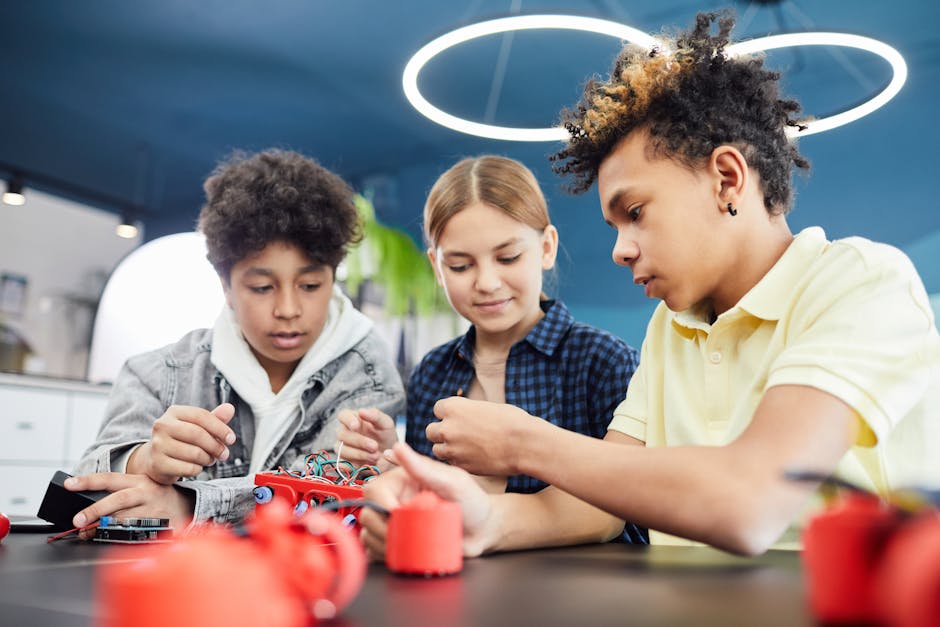
Khan Academy Kids continues to set the standard for free, high quality early education. Designed with the youngest learners in mind, the platform blends academic fundamentals with creative exploration.
What It Offers
Engaging, interactive lessons in math, reading, and social emotional learning
Carefully curated activities that adapt to a child’s skill level
Bite sized lessons ideal for short attention spans
Designed for Young Learners
Best suited for preschool through early elementary students
Colorful interface and cheerful characters keep kids motivated
Lessons follow research backed learning pathways
Built by Educators, Backed by Research
Developed by a team of experienced childhood educators
Content aligns with early learning standards
Includes interactive stories and games that reinforce both academic and emotional growth
Khan Academy Kids is more than just screen time it’s a safe, enriching environment for kids to explore their curiosity and build a strong foundation for future learning.
National Geographic Kids
If your kid can’t stop asking questions about animals, volcanoes, or why the sky is blue, this one’s a no brainer. National Geographic Kids delivers bite sized science and nature content that keeps things simple but smart. We’re talking animal profiles with cool facts, easy to follow Earth science explainers, and interactive quizzes that feel more like a game than a test.
It’s a go to for kids who are naturally curious and love stories from the wild. The articles and videos skip the fluff and go straight to the good stuff colorful visuals, real life explorers, and topics that make kids want to keep digging. It’s a solid way to build science literacy early, without turning learning into a chore.
PBS Kids
PBS Kids has a simple formula that works: characters kids already know leading them through interactive fun that’s secretly building real skills. Whether it’s Daniel Tiger teaching kindness or Peg + Cat tackling basic math, the shows and games are designed to hit key early learning goals without feeling like schoolwork.
The platform leans hard into literacy, numbers, and social emotional development. Think learning to count while solving a mystery or picking up reading cues through singalongs. It’s all rooted in expert approved curriculum, but it never feels heavy handed. That balance gives it staying power in busy households and classrooms alike.
If parents are hunting for something screen based that’s both calming and constructive, PBS Kids tends to top the list. It’s free. It’s trusted. And it makes learning feel like part of the everyday.
ABCmouse (Free with Limited Access)
ABCmouse blends entertainment with real learning and it does it in a way that keeps young kids coming back. Through games, puzzles, songs, and short videos, kids move through a tightly structured progression of lessons across reading, math, art, and music. The platform is built for independent learning, but it’s guided enough that parents can trust kids are actually building skills, not just tapping wildly on a screen.
While full access requires a paid membership, there’s a solid chunk of ABCmouse content available for free, especially through certain schools or library systems. It’s best suited for kids ages 2 to 8, and works smoothly on both desktop and tablet. If you’ve got a curious toddler or an early learner with a short attention span, this platform’s bite sized design and colorful interface make it easy to stick with.
Storyline Online
Storyline Online delivers something simple but powerful: actors and celebrities reading children’s books out loud, with warmth and clarity that pulls kids in. The books are thoughtfully chosen award winning titles with rich language and strong narratives. That makes it more than just background noise. These read alouds build vocabulary, reinforce listening skills, and introduce storytelling elements in a way that sticks.
Whether it’s part of the homeschool lineup, a classroom wind down, or a bedtime tradition, Storyline Online fits the bill. It’s free, easy to stream, and a great way to strengthen literacy without needing a stack of physical books or a lot of prep. For any kid who loves to listen and imagine, this is a solid go to resource.
Scratch
Scratch is a free learning platform created by MIT to teach kids how to think like coders without needing to type a single line of code. Instead, kids use drag and drop blocks to create animations, games, and interactive stories. It’s simple to get started, but flexible enough to support advanced projects, which keeps kids both challenged and entertained.
What sets Scratch apart is how it turns coding into a creative tool rather than a technical hurdle. Kids don’t just learn logic they use it to build things they care about. Whether your child wants to design a maze game, animate their pet talking, or tell a story with music and sound effects, Scratch makes it doable and fun.
Best for kids 8 and up, Scratch gives them a platform to explore, fail safely, and keep building. It’s not just play it’s problem solving in disguise.
NASA Kids’ Club
NASA Kids’ Club isn’t just another space themed site it’s a low friction launch pad for getting young minds curious about science, technology, engineering, and math. Built for elementary aged users, the platform nails the balance between education and fun. Bright visuals, simple layouts, and a suite of games centered around real NASA missions make it easy for kids to dive in without adult help.
Whether they’re docking spacecrafts or learning how astronauts eat in space, kids start connecting basic concepts of physics and engineering to the real world. It’s not heavy handed, and that’s the point. They’re learning through doing at just the right pace for early learners.
At a time when STEM skills matter more than ever, this site does more than entertain. It plants the seed early. And it’s completely free. A solid win for both curious kids and parents trying to keep screen time meaningful.
Funbrain
Funbrain strikes a rare balance it’s educational without feeling like schoolwork. Kids can dive into games that reinforce math, reading, and logical thinking, all wrapped in bright visuals and light storytelling. Whether they’re solving word puzzles or practicing fractions through arcade style challenges, it keeps them learning without the usual pushback.
The site is built for a broad range, covering pre K through 8th grade, so it works for households with kids of different ages. There’s no steep learning curve just click and play. It’s especially handy for those in between moments: waiting rooms, long car rides, or a bit of quiet time before dinner. It fills the time, but makes sure that time actually counts.
Coolmath4Kids
Coolmath4Kids walks the line between entertainment and education no fluff, just solid math skills made accessible. Aimed at elementary aged learners, the site uses bright visuals and interactive challenges to ease kids into topics that can otherwise feel intimidating. Logic puzzles, number games, and basic geometry activities are the hook; the real win is how much practice kids get without even realizing it.
Whether it’s reinforcing multiplication facts or breaking down early algebra concepts through play, this site keeps young minds active. There’s no need for long lectures or worksheets just jump in, play a few rounds, and the math sticks. It’s a strong option for parents and educators looking to support retention outside of the classroom without turning every session into a full lesson plan.
Starfall
Starfall gets straight to the point: teaching young kids how to read. It breaks down early literacy into simple, clickable lessons that focus on phonics, alphabet recognition, and beginner reading skills. There’s no fluff just clean, effective design that lets kids explore letters, sounds, and words at their own pace.
It’s a long time favorite among pre K and kindergarten teachers, and for good reason. The content lines up well with early childhood learning standards, making it a go to for both classrooms and homeschool setups. Whether you’re reinforcing letter sounds at home or introducing sight words in a remote lesson, Starfall delivers exactly what’s needed without overcomplicating it.
Bonus Tip: Create a Learning Routine That Sticks
Great sites won’t work their magic unless there’s structure behind the screen time. Kids thrive on routine and educational platforms are most effective when used consistently. Whether it’s a 30 minute morning session or a quiet hour deep dive after lunch, the key is setting a schedule and sticking to it. Don’t aim for perfection, aim for rhythm.
Need help building that routine? This practical guide walks you through the steps: How to Create a Structured Learning Routine at Home. Keep it simple, stay flexible, and let the learning grow along with your child.
 Corey Valloconeza has opinions about educational resources for kids. Informed ones, backed by real experience — but opinions nonetheless, and they doesn't try to disguise them as neutral observation. They thinks a lot of what gets written about Educational Resources for Kids, Support and Community Resources, Parenting Tips and Advice is either too cautious to be useful or too confident to be credible, and they's work tends to sit deliberately in the space between those two failure modes.
Reading Corey's pieces, you get the sense of someone who has thought about this stuff seriously and arrived at actual conclusions — not just collected a range of perspectives and declined to pick one. That can be uncomfortable when they lands on something you disagree with. It's also why the writing is worth engaging with. Corey isn't interested in telling people what they want to hear. They is interested in telling them what they actually thinks, with enough reasoning behind it that you can push back if you want to. That kind of intellectual honesty is rarer than it should be.
What Corey is best at is the moment when a familiar topic reveals something unexpected — when the conventional wisdom turns out to be slightly off, or when a small shift in framing changes everything. They finds those moments consistently, which is why they's work tends to generate real discussion rather than just passive agreement.
Corey Valloconeza has opinions about educational resources for kids. Informed ones, backed by real experience — but opinions nonetheless, and they doesn't try to disguise them as neutral observation. They thinks a lot of what gets written about Educational Resources for Kids, Support and Community Resources, Parenting Tips and Advice is either too cautious to be useful or too confident to be credible, and they's work tends to sit deliberately in the space between those two failure modes.
Reading Corey's pieces, you get the sense of someone who has thought about this stuff seriously and arrived at actual conclusions — not just collected a range of perspectives and declined to pick one. That can be uncomfortable when they lands on something you disagree with. It's also why the writing is worth engaging with. Corey isn't interested in telling people what they want to hear. They is interested in telling them what they actually thinks, with enough reasoning behind it that you can push back if you want to. That kind of intellectual honesty is rarer than it should be.
What Corey is best at is the moment when a familiar topic reveals something unexpected — when the conventional wisdom turns out to be slightly off, or when a small shift in framing changes everything. They finds those moments consistently, which is why they's work tends to generate real discussion rather than just passive agreement.