Why STEM at Home Works
Bringing STEM into your home environment can transform everyday moments into powerful learning opportunities. Here’s why:
Inspires Critical Thinking and Creativity
Kids thrive when they’re encouraged to explore, question, and experiment. STEM activities stimulate curiosity and help children develop problem solving skills that extend beyond the classroom.
Encourages asking “why” and “how”
Boosts creative thinking through hands on projects
Builds confidence through trial and error
Makes Screen Time More Meaningful
Not all screen time is created equal. Incorporating educational videos, science apps, and interactive experiments can help transform passive watching into active learning.
Use digital tools to supplement real world activities
Encourage kids to research ideas online, then test them hands on
Promote balance by aligning tech use with learning goals
Fosters Independence and Real Life Problem Solving
STEM learning helps kids take the lead. Whether it’s setting up a simple experiment or testing a DIY project, children learn to think independently and solve problems creatively.
Practice following instructions and measuring results
Learn from unexpected outcomes (a big part of science!)
Apply concepts to everyday situations, like fixing a toy or spotting patterns in nature
Setting Up Your At Home Lab
You don’t need a fancy science kit to get started. Chances are, your kitchen already holds everything you need. Baking soda, vinegar, food coloring, dish soap, salt, string basic pantry and craft drawer staples become the main tools for hands on discovery. A few mason jars or plastic containers and you’re ready to experiment.
But before things bubble over, let’s talk safety. Set clear boundaries both physical and procedural. Cover surfaces, set a zone for the mess, and always supervise. Kids need the freedom to explore, but with structure. This isn’t about stifling curiosity it’s about guiding it safely.
And don’t stress about having a formal lab space. Your kitchen counter, a bathtub, or even the backyard can turn into a full blown STEM playground. Just lay down a towel or tray to catch spills, and let exploration take over. Flexibility and creativity are part of the magic.
Balloon Rocket
This experiment is a crowd favorite for one reason: it moves. Kids learn Newton’s Third Law the moment the air whooshes out and the balloon shoots forward every action has an equal and opposite reaction.
Setup is quick. Thread a string through a straw, tape an inflated balloon to the straw (don’t tie it), pull the string taut between two fixed points, and let it rip. Balloons zip across the room, kids shout with delight, and just like that, physics becomes hands on.
Want to layer in some math? Measure the rocket’s distance, time the travel, or compare different balloon sizes. Add a stopwatch and you’ve got a full mini lesson in speed and variables, disguised as a race. It’s simple, low mess, and surprisingly insightful.
Age Appropriate Adjustments
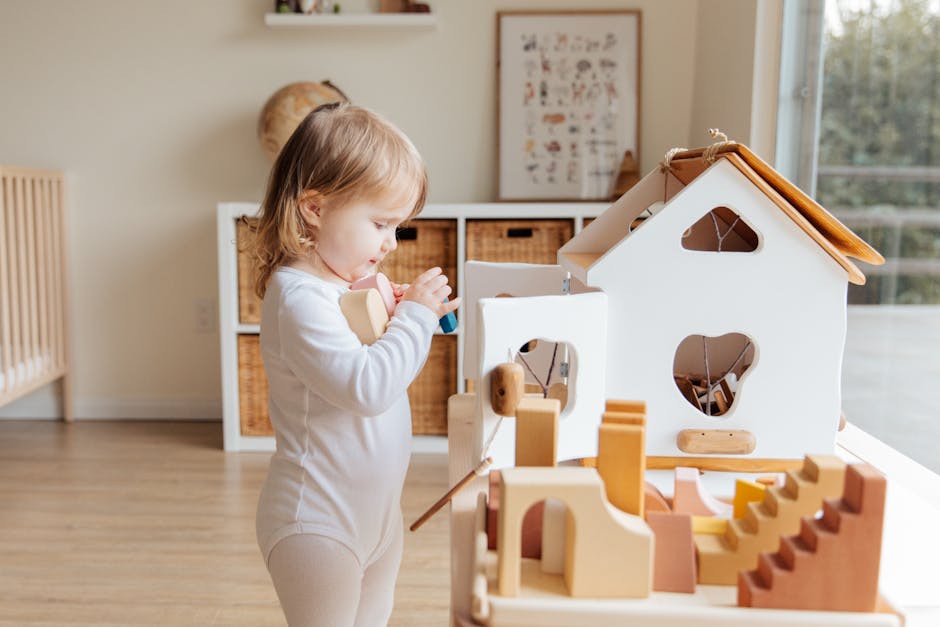
Not all curious minds think alike. What excites a toddler might bore a tween and vice versa. Tailoring STEM activities to a child’s cognitive level isn’t just nice, it’s necessary if you want the learning to stick. Toddlers thrive on sensory and cause effect experiments: think fizzing volcanoes or simple color mixing. Keep it hands on and fast. Attention spans are short, and the goal here is exploration, not precision.
Tweens, on the other hand, are ready for layered challenges. Give them experiments with variables to tweak, or pair STEM work with minimal research tasks. Want to build a balloon rocket? Have them chart distances, or hypothesize which size balloon works best and why. It’s science and systems thinking baked into one.
One overlooked trick for reaching all age groups? Integrate basic literacy. Have younger kids describe the “magic” in their own words. Ask older ones to write simple procedural steps or explain outcomes to a sibling. It doesn’t have to feel like school just natural wraparound thinking. For more ways to mix science with reading at any age, check out this guide: Helping Kids Develop a Love for Reading (Age Based Tips).
Smart Ways to Keep Momentum Going
Building a consistent STEM routine at home doesn’t require fancy tools just a bit of intention and creativity. After your kids get excited about their first few experiments, the real fun begins: helping them keep that curiosity alive week after week. Here’s how to make hands on learning a habit that sticks.
Encourage Reflection with a STEM Journal
One of the simplest and most effective ways to track progress and spark deeper thinking is by starting a STEM journal or scrapbook.
Let kids draw what happened during each experiment
Add photos or labels for a visual record
Encourage them to write predictions, results, or questions
Use it as a tool to revisit past projects or plan new ones
This turns science activities into stories kids can tell and retell.
Empower Kids to Lead
Give your child ownership by letting them become the “experiment leader” once a week. This not only boosts their confidence, but also develops planning and presentation skills.
Try this structure:
Let them choose the experiment (with guidance, if needed)
Help them gather and prep materials
Have them explain the steps aloud before starting
Encourage post experiment reflection: what surprised them, what worked, what didn’t
This small shift can transform passive participants into active learners.
Leverage Online Learning Wisely
The internet is full of high quality, free STEM resources. Tap into these to extend learning beyond your home experiments:
Science themed YouTube channels (age appropriate and hands on)
Printable worksheets and challenges from museum websites or educational blogs
Online games and simulations that let kids explore physics, engineering, or biology in fun ways
A quick web search can turn any slow afternoon into a research adventure.
By combining hands on activities with reflection, leadership, and digital discovery, your child won’t just learn facts they’ll become the kind of thinker who keeps asking “what if?”
Final Thoughts: Raising Thinkers, Not Just Doers
At home STEM isn’t about clean experiments or perfect results. It’s about the mindset. When kids ask why something didn’t work or how to make it better they’re doing science. That habit of questioning and digging for answers is more valuable than any baking soda volcano.
Experimenting builds something deeper than knowledge: confidence to try, persistence to fail and retry, and curiosity that doesn’t switch off when the lab closes. STEM at home is less about turning kids into mini scientists, and more about helping them keep a sense of wonder alive. The goal isn’t mastery it’s momentum.
No need for fancy gear or hours of prep. Just space to explore, and support for whatever weird question comes next. That’s how big thinkers get their start.
 There is a specific skill involved in explaining something clearly — one that is completely separate from actually knowing the subject. Williamer Hargrovesty has both. They has spent years working with parenting tips and advice in a hands-on capacity, and an equal amount of time figuring out how to translate that experience into writing that people with different backgrounds can actually absorb and use.
Williamer tends to approach complex subjects — Parenting Tips and Advice, Family Activities and Projects, Educational Resources for Kids being good examples — by starting with what the reader already knows, then building outward from there rather than dropping them in the deep end. It sounds like a small thing. In practice it makes a significant difference in whether someone finishes the article or abandons it halfway through. They is also good at knowing when to stop — a surprisingly underrated skill. Some writers bury useful information under so many caveats and qualifications that the point disappears. Williamer knows where the point is and gets there without too many detours.
The practical effect of all this is that people who read Williamer's work tend to come away actually capable of doing something with it. Not just vaguely informed — actually capable. For a writer working in parenting tips and advice, that is probably the best possible outcome, and it's the standard Williamer holds they's own work to.
There is a specific skill involved in explaining something clearly — one that is completely separate from actually knowing the subject. Williamer Hargrovesty has both. They has spent years working with parenting tips and advice in a hands-on capacity, and an equal amount of time figuring out how to translate that experience into writing that people with different backgrounds can actually absorb and use.
Williamer tends to approach complex subjects — Parenting Tips and Advice, Family Activities and Projects, Educational Resources for Kids being good examples — by starting with what the reader already knows, then building outward from there rather than dropping them in the deep end. It sounds like a small thing. In practice it makes a significant difference in whether someone finishes the article or abandons it halfway through. They is also good at knowing when to stop — a surprisingly underrated skill. Some writers bury useful information under so many caveats and qualifications that the point disappears. Williamer knows where the point is and gets there without too many detours.
The practical effect of all this is that people who read Williamer's work tend to come away actually capable of doing something with it. Not just vaguely informed — actually capable. For a writer working in parenting tips and advice, that is probably the best possible outcome, and it's the standard Williamer holds they's own work to.