Why Learning Styles Matter in 2026
One size fits all learning doesn’t work. It never really did. Personalized learning isn’t just more effective it sticks. When kids absorb lessons in a way that feels natural to them, the knowledge stays longer. It turns into understanding, not just rote memory.
Recognizing a child’s learning style early also cuts down on the daily grind. No more battles over homework that feels impossible. With the right approach, frustration gives way to flow. Kids stay more engaged, both in class and at home, because the material speaks their language be it visual, auditory, kinesthetic, or written.
Bottom line: Every kid learns differently. The sooner we respect that, the better set up they are to succeed long term. Personalized learning doesn’t mean doing more it means doing what’s right for the way your child’s brain works.
The Core Learning Styles Explained
Understanding your child’s learning style isn’t about labeling them it’s about making learning easier and more natural. Here’s a quick breakdown of the main types:
Visual Learners like things they can see. Diagrams, charts, maps, and color coded notes help ideas click into place. If your child lights up during art projects or organizes thoughts with drawings, they likely lean visual.
Auditory Learners learn through sound. These are the kids who remember songs, like talking things out, or ask a million questions. They do well with read alouds, discussions, or repeating things verbally. Teaching them through music, podcasts, or rhyme gets results.
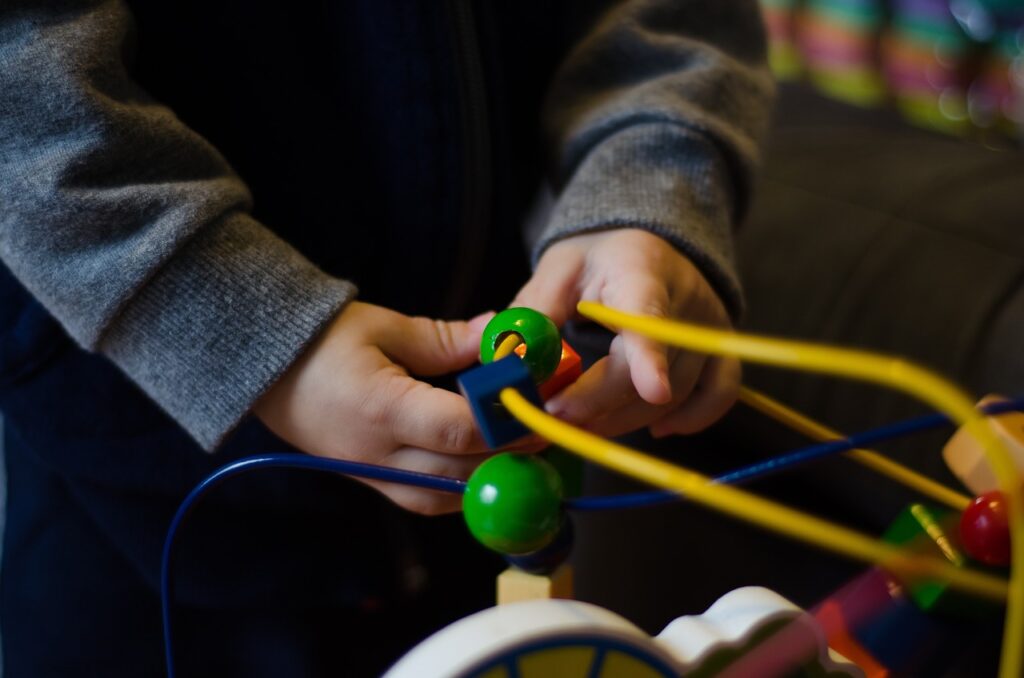
Kinesthetic Learners are hands on by nature. Sitting still doesn’t work for them they learn by moving, doing, experimenting. If your child figures stuff out by building it, acting it out, or physically working through steps, this is their style.
Read/Write Learners prefer words. Give them a written list, a textbook, or a journal and they’re in their zone. They remember more when they write things down and often enjoy reading instructions or making outlines.
No style is better than another. The goal is to meet kids where they are and build from there.
Watch Closely: Signs to Look For
You don’t need a psychology degree to figure out how your kid prefers to learn. Just pay close attention to how they spend their time. The signs are everywhere in the way they play, handle school tasks, and interact at home.
Does your child draw to explain their ideas? That’s a visual learner. They’re the ones who map thoughts out in pictures, who prefer diagrams over long explanations. If they’re constantly sketching scenes from class or using color coded sticky notes, you’ve got a visual processor on your hands.
Do they talk their way through problems? Auditory learners often repeat things aloud, hum while reading, or light up during storytelling. If your child needs to hear instructions to fully grasp them, they’re probably wired to learn best through sound.
Some kids learn by doing. Take apart a toaster, build a Lego Jeep, rearrange bedroom furniture all classic kinesthetic behavior. These learners want to touch, move, and physically engage with whatever they’re figuring out.
Then there are those who sit quietly with books or lists. If your child writes everything down, journals, or gets lost in independent reading, they’re likely a read/write learner. They retain best through the written word, not pictures or noise.
Schoolwork and play habits reinforce these clues. Watch how they tackle a homework project or unwind after school. Even how they explain a movie or a dream can tip you off. The key is staying curious about their preferences because that’s how you start shaping learning around how they’re naturally wired.
Real World Ways to Support Each Style

Supporting your child’s learning style doesn’t need to feel like homework. The key is to work smarter, not harder and let their natural tendencies lead the way.
For visual learners, think in color. Assign chores using a color coded chart or use illustrated storyboards to walk through morning routines. When tasks are laid out visually, they stick better.
Auditory learners thrive when things are heard, not seen. Turn spelling practice into a rhythm game or review questions through casual Q&A back and forths. Even just narrating tasks out loud helps them absorb better.
If your child is all hands and energy, odds are they’re a kinesthetic learner. Channel that into movement based learning let them measure ingredients while baking, or build something that connects back to what they’re studying.
Read/write learners prefer the hum of a pencil on paper or a good book over talk or build time. Help them create guided journals or assign reading lists around their favorite topics. Then let them reflect in writing.
The reality? Most kids aren’t just one type. Mixing in techniques from other styles keeps learning fresh. So don’t get boxed in rotate strategies every so often. Balance keeps curiosity alive, and that’s what drives real learning.
Digital Tools That Actually Help
Matching the right tech with your kid’s learning style matters. The wrong app can frustrate and distract; the right one can turn a tough subject into something they actually enjoy. So the goal here isn’t just screen time it’s smart screen time.
For visual learners, go for apps with strong visuals, mind maps, or interactive diagrams. Tools like Popplet or BrainPOP are solid bets. Auditory learners tend to click with platforms that use stories, podcasts, or rhythmic repetition try something like Storynory or Heardle Kids. Kinesthetic kids? They need movement and interaction. Look into apps like Tiggly or Osmo that combine physical play with digital learning. For read/write learners, nothing beats clean, text rich platforms like Khan Academy Kids or Epic! where they can read, quiz themselves, and revisit material at their own speed.
The best part: you don’t have to start from scratch. We’ve already done the sifting for you. Check out Top 10 Free Educational Websites for Kids That Actually Teach for a curated list that works across learning styles.
Don’t overload your child with ten apps at once. Pick one or two that match how they naturally absorb info and see what sticks.
Keep Checking In
Learning styles aren’t set in stone. A child who once thrived on hands on projects might suddenly lean into reading and note taking as their world expands. Growth brings new interests, new challenges and sometimes, entirely new ways of absorbing information.
This is why regular conversations matter. Ask your child how they feel about what they’re learning and how they prefer to tackle it. Loop in teachers, too. They see your child in a different context and can offer useful insights. Keep the feedback loop open and judgment free.
If something stops working, don’t panic. That’s the signal to pivot. Maybe math worksheets need to become math games. Or a quiet reader might suddenly crave group discussion. Adjusting strategies as your child evolves is the key to helping them stay engaged and confident no matter how their learning style shifts.
Final Tip: It’s Not One Size Fits All
By the time you think you’ve figured out your child’s learning style, they’ll probably surprise you. And that’s normal. Most kids don’t fit neatly into a single category they pull from all styles depending on the task, mood, or even the day.
Maybe your child listens to podcasts, builds puzzles, and jots down lists all in the same afternoon. That’s not confusion; that’s flexibility. The smartest approach isn’t to pigeonhole, but to stay open. Try strategies, see what lands, and adapt.
Patience here pays off. When you give your child space to explore how they learn without pressure they build confidence. They learn to trust themselves. And that leads to less stress, more curiosity, and better long term outcomes.
In the end, it’s not about checking a box it’s about helping your child build a toolkit they can use for life.
 Norvain Xelvaris writes the kind of health and wellness for moms content that people actually send to each other. Not because it's flashy or controversial, but because it's the sort of thing where you read it and immediately think of three people who need to see it. Norvain has a talent for identifying the questions that a lot of people have but haven't quite figured out how to articulate yet — and then answering them properly.
They covers a lot of ground: Health and Wellness for Moms, Family Activities and Projects, Educational Resources for Kids, and plenty of adjacent territory that doesn't always get treated with the same seriousness. The consistency across all of it is a certain kind of respect for the reader. Norvain doesn't assume people are stupid, and they doesn't assume they know everything either. They writes for someone who is genuinely trying to figure something out — because that's usually who's actually reading. That assumption shapes everything from how they structures an explanation to how much background they includes before getting to the point.
Beyond the practical stuff, there's something in Norvain's writing that reflects a real investment in the subject — not performed enthusiasm, but the kind of sustained interest that produces insight over time. They has been paying attention to health and wellness for moms long enough that they notices things a more casual observer would miss. That depth shows up in the work in ways that are hard to fake.
Norvain Xelvaris writes the kind of health and wellness for moms content that people actually send to each other. Not because it's flashy or controversial, but because it's the sort of thing where you read it and immediately think of three people who need to see it. Norvain has a talent for identifying the questions that a lot of people have but haven't quite figured out how to articulate yet — and then answering them properly.
They covers a lot of ground: Health and Wellness for Moms, Family Activities and Projects, Educational Resources for Kids, and plenty of adjacent territory that doesn't always get treated with the same seriousness. The consistency across all of it is a certain kind of respect for the reader. Norvain doesn't assume people are stupid, and they doesn't assume they know everything either. They writes for someone who is genuinely trying to figure something out — because that's usually who's actually reading. That assumption shapes everything from how they structures an explanation to how much background they includes before getting to the point.
Beyond the practical stuff, there's something in Norvain's writing that reflects a real investment in the subject — not performed enthusiasm, but the kind of sustained interest that produces insight over time. They has been paying attention to health and wellness for moms long enough that they notices things a more casual observer would miss. That depth shows up in the work in ways that are hard to fake.